Getting Married in Morocco
Morocco blends European accessibility with North African character. It is close enough for manageable travel, yet culturally rich enough to feel transportive.
Couples are drawn to Morocco for:
-
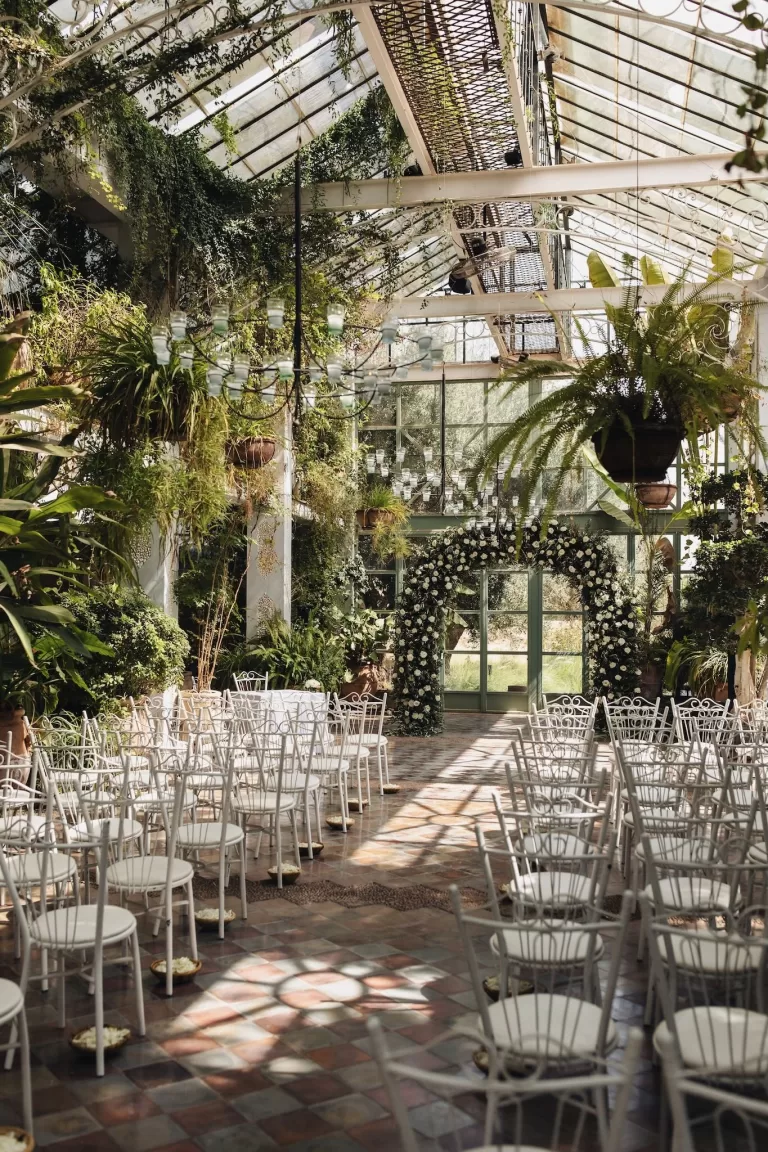
Historic riad wedding venues in Marrakech
-
Luxury desert camp celebrations in the Agafay Desert
-
Private villas and boutique hotels
-
Atlas Mountain backdrops
-
Coastal venues near Essaouira
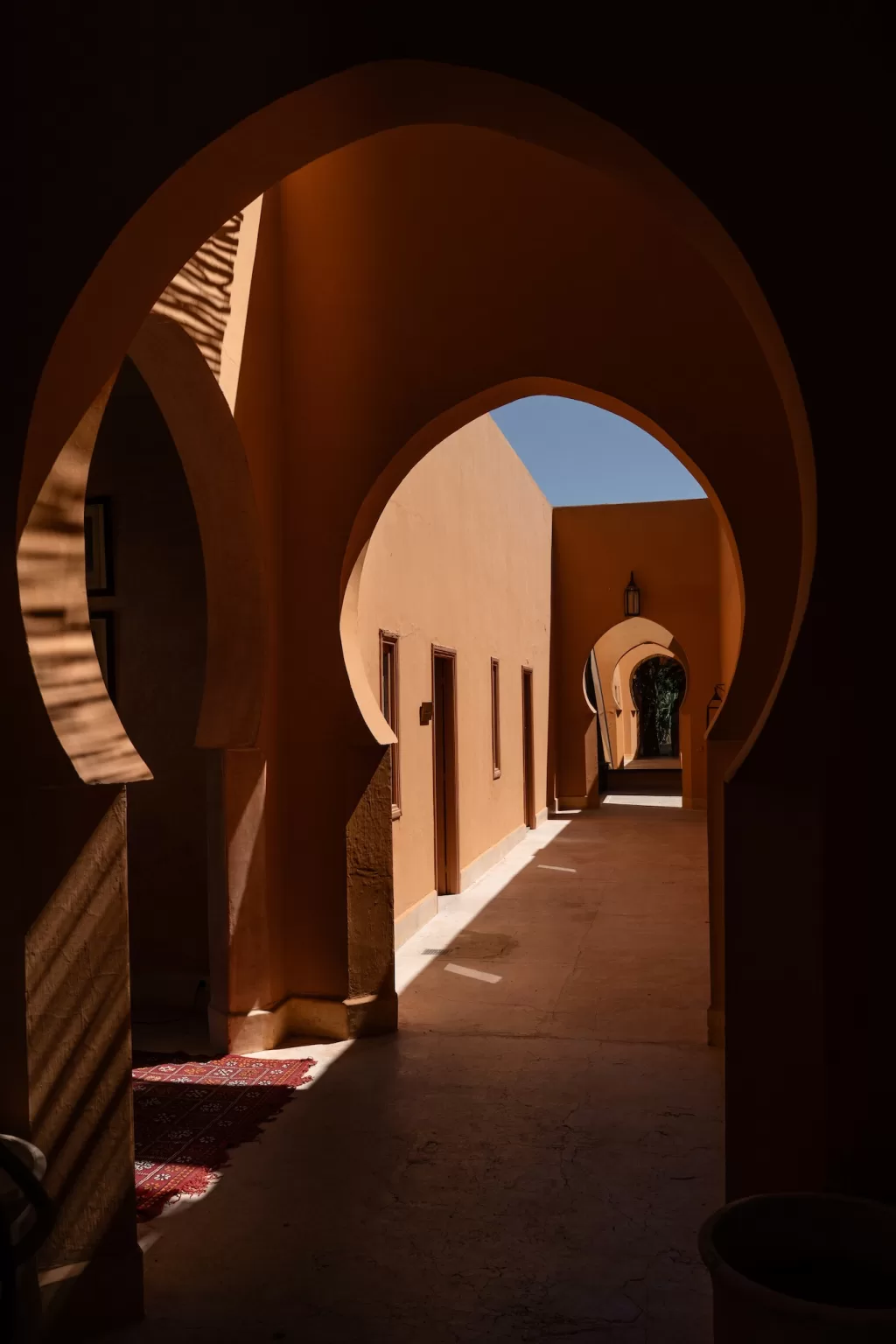
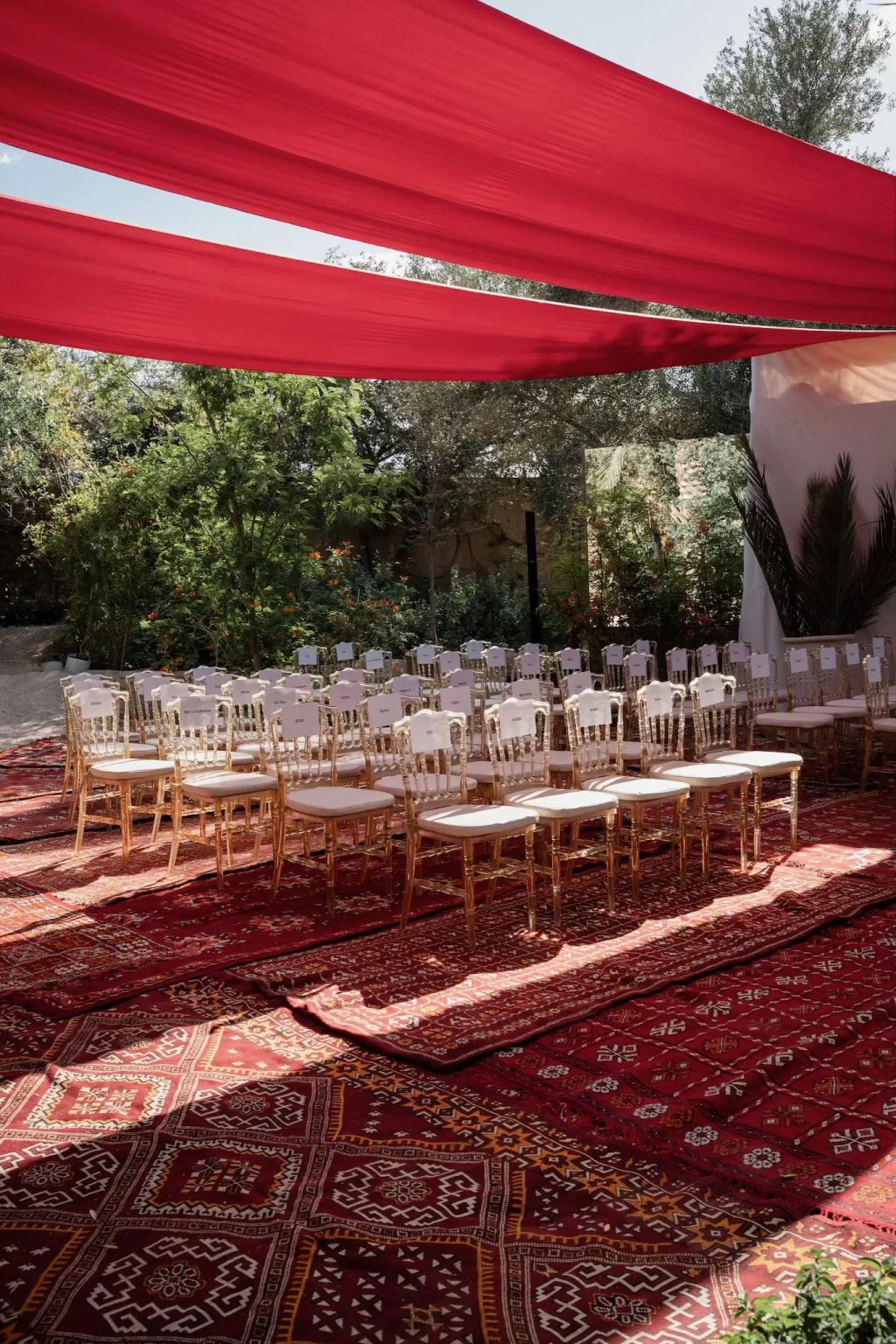
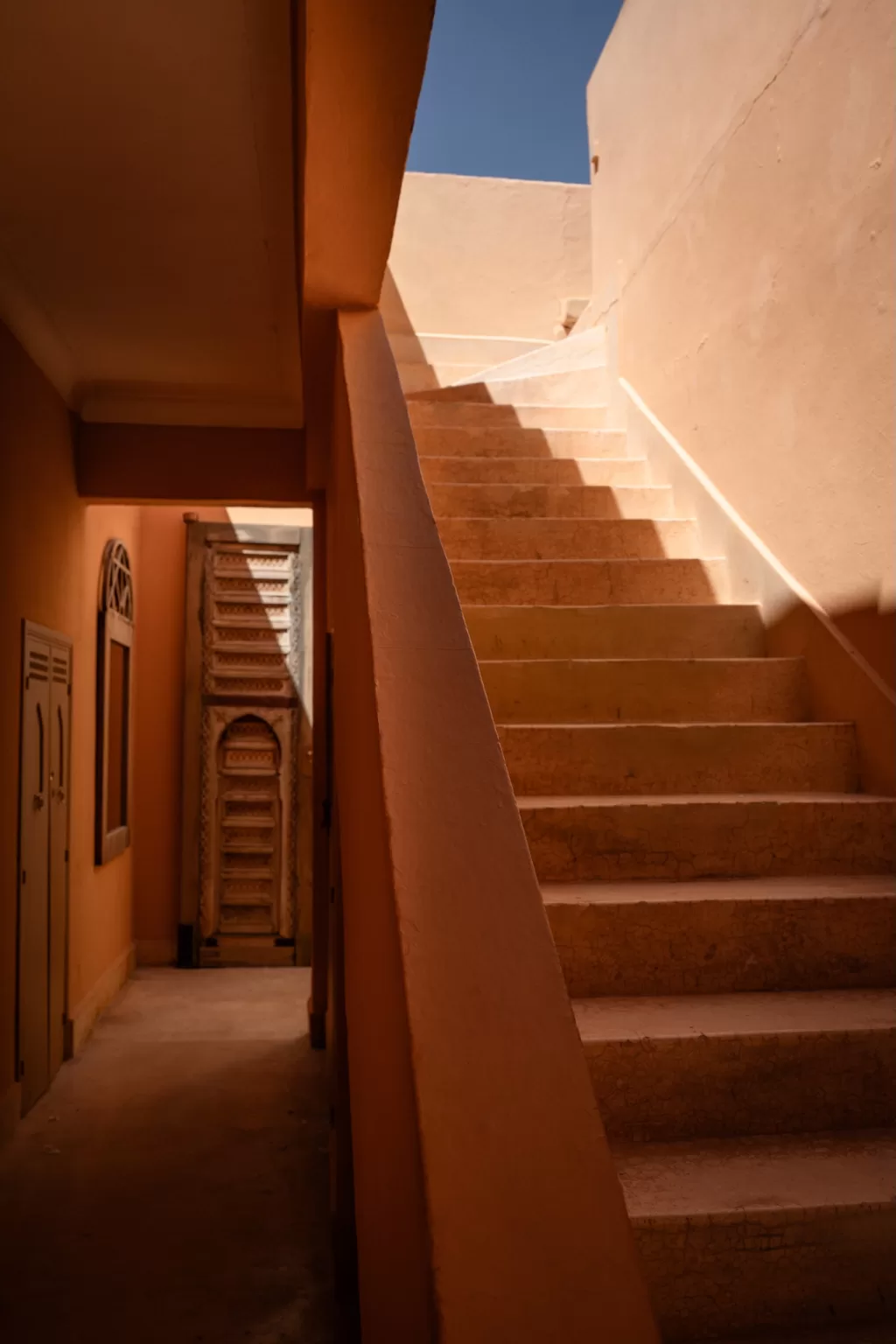
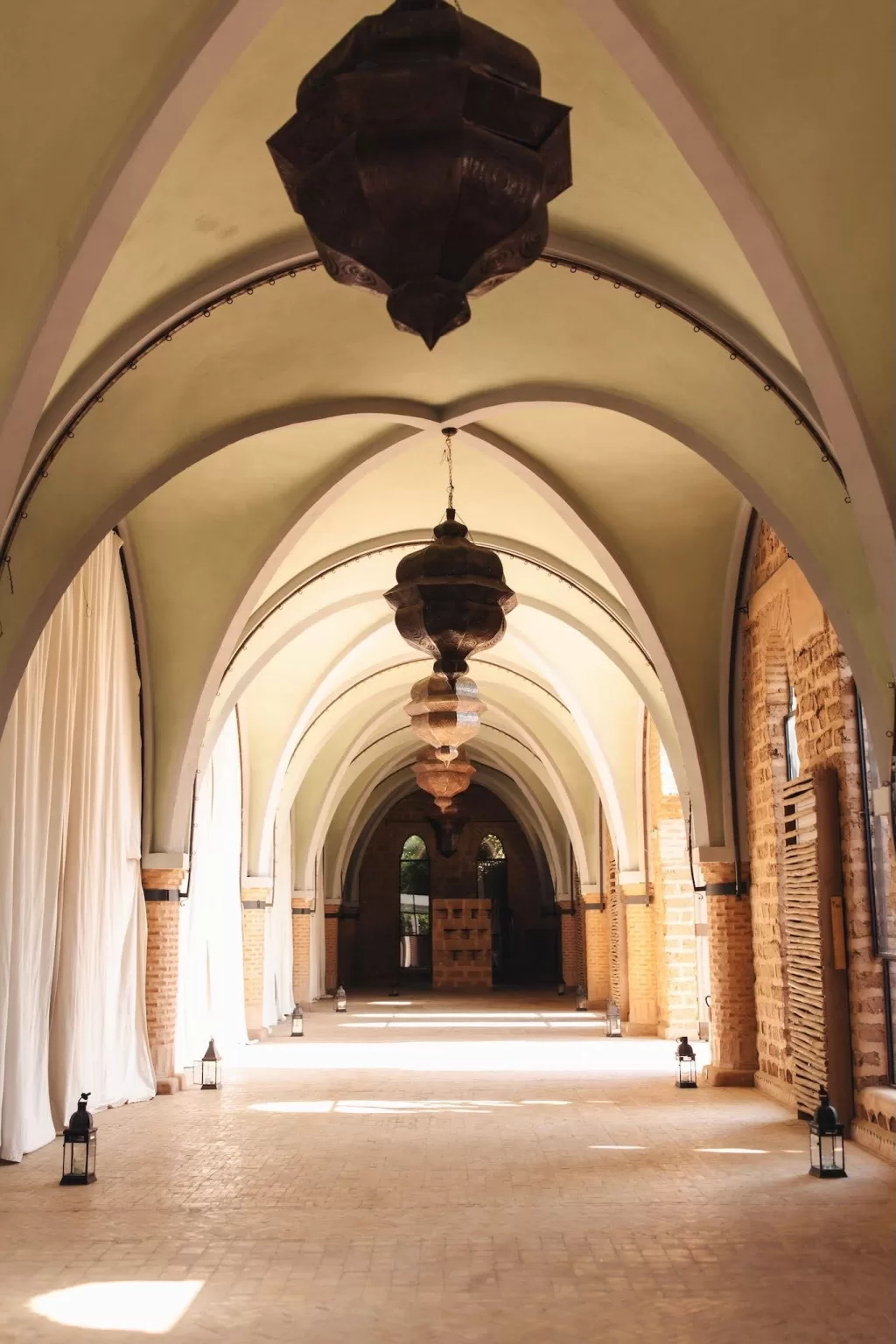
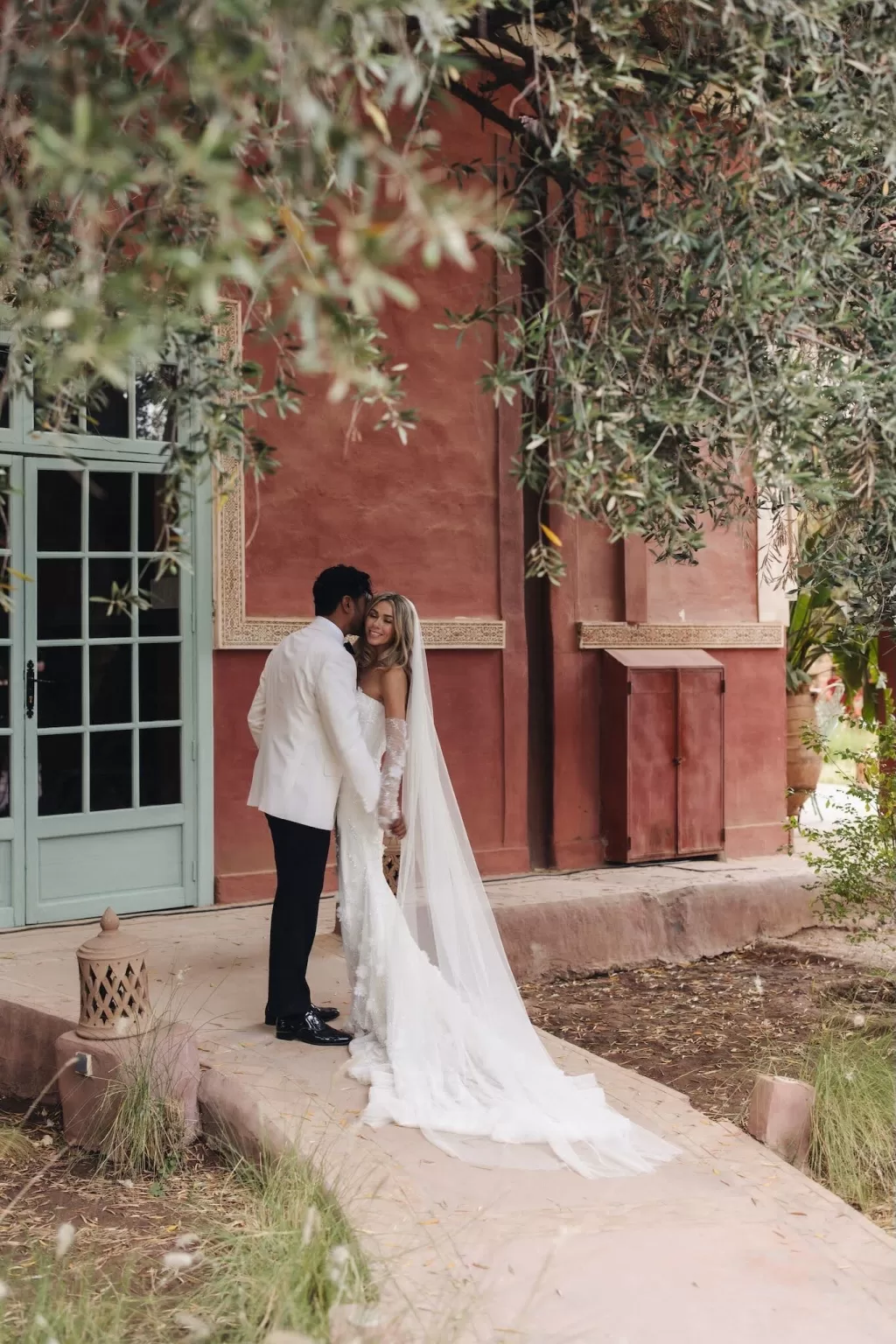
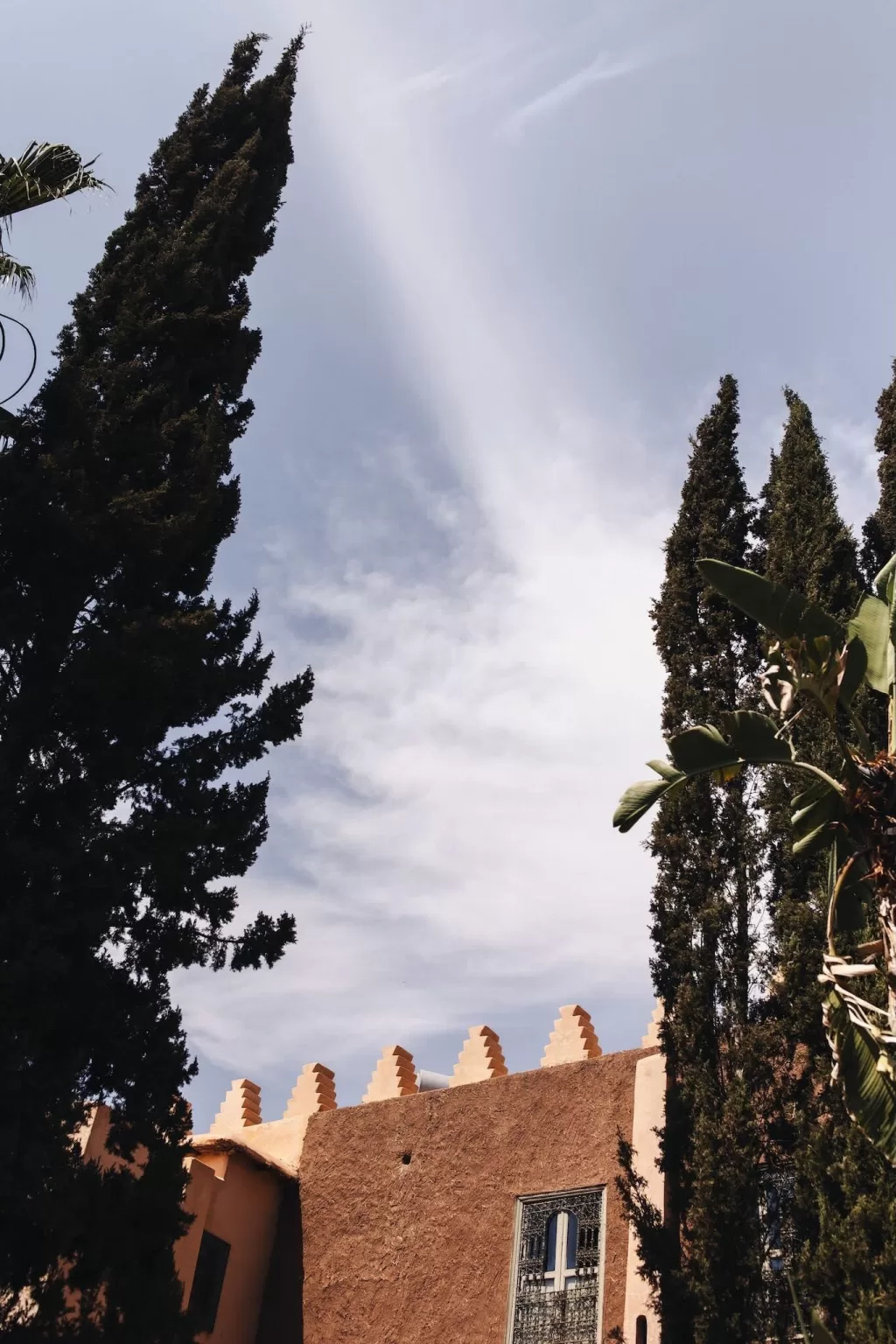
The design possibilities are endless — layered textiles, candlelit pathways, live musicians, and sunset ceremonies framed by carved archways.
Beyond aesthetics, Morocco has a well-established event industry. Experienced planners, florists and caterers regularly produce multi-day celebrations for international couples.
Types of Wedding Venues in Morocco: Riads, Palaces, and Mountain Retreats
Morocco offers a diverse range of venue styles suited to different wedding sizes and atmospheres.
Riad Weddings in Marrakech
Traditional riads feature internal courtyards, tiled fountains and rooftop terraces. Ideal for intimate weddings and elegant dinners beneath lantern light.
Luxury Villas & Boutique Hotels
Private villas on the outskirts of Marrakech provide more space for larger guest lists while maintaining privacy and exclusivity.
Desert Weddings
The Agafay Desert, just outside Marrakech, offers dramatic desert landscapes without long travel distances. Luxury tented camps create unforgettable sunset ceremonies.
Atlas Mountain Venues
For cooler temperatures and dramatic scenery, mountain retreats provide expansive views and secluded settings.
Coastal Weddings in Essaouira
Essaouira offers ocean views and a more relaxed coastal atmosphere, ideal for multi-day guest experiences.
Wedding Traditions & Cuisine in Morocco
Moroccan weddings are infused with tradition, culture, and sensory richness. Couples often choose to incorporate a henna ceremony, a symbolic ritual marking joy, protection, and blessing, or welcome guests with a vibrant procession of musicians and dancers. Local traditions add depth and colour to the wedding day, allowing couples to honour the country’s heritage while celebrating their own story.
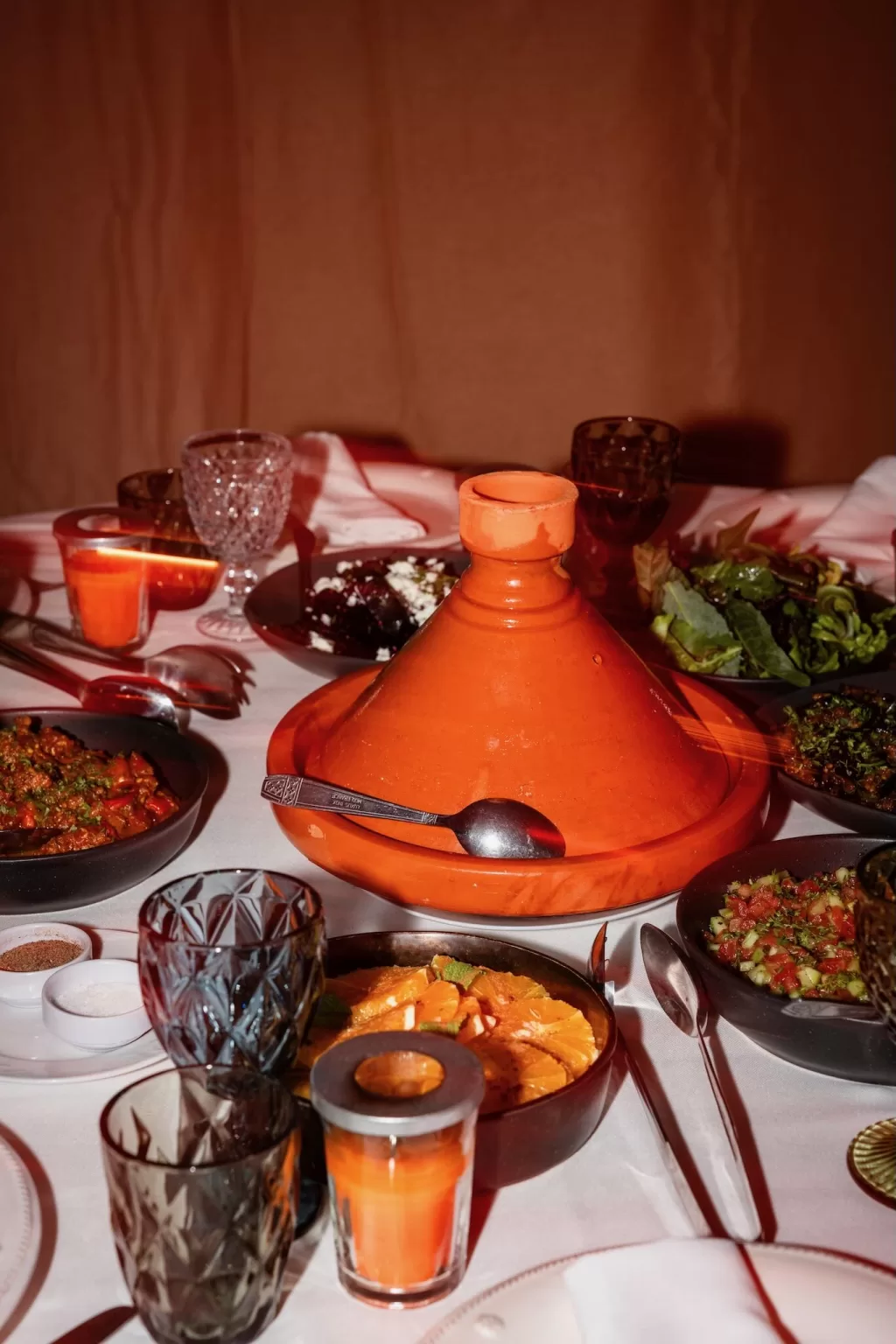
Feasting is at the heart of Moroccan hospitality. Menus often feature fragrant tagines, steaming couscous, sweet and savoury pastilla, grilled meats, fresh Atlantic seafood, and a dazzling array of pastries traditionally paired with mint tea. Guests can expect generous portions and a style of dining that encourages sharing, conversation, and lingering at the table to savour the experience. Many couples also work with caterers who blend Moroccan dishes with international favourites, ensuring a menu that delights a wide range of tastes.
Entertainment adds energy and atmosphere. From Berber drumming and traditional Andalusian musicians to belly dancers and modern DJs. Morocco’s has a legendary sense of hospitality and it shows in couples who marry here typically highlighting the warm, generous, and welcoming service they and their guests had.
Best Time of Year for a Wedding in Morocco
Spring & Autumn (March – May, September – November): The most popular wedding seasons, with warm, pleasant temperatures (20°C – 30°C / 68°F – 86°F). Spring brings blooming gardens and fresh green landscapes, while autumn offers softer golden light and perfect evenings for outdoor dining or courtyard ceremonies. These seasons are considered the sweet spot for comfort, natural beauty, and availability.
Summer (June – August): Morocco’s summer can be very hot, particularly in Marrakech, Fes, and the country’s deserts, where temperatures can climb above 40°C (104°F). For couples who love bold settings, the desert remains spectacular, especially for evening ceremonies, but most choose coastal destinations like Essaouira, where cooling Atlantic breezes keep things comfortable.
Winter (December – February): Winter is mild in cities like Marrakech and along the coast (5°C – 18°C / 41°F – 64°F), but the desert and mountains experience colder nights, often dipping close to freezing. Winter brings atmosphere and romance: snow-capped peaks in the Atlas Mountains, candlelit riads warmed by open fires, and intimate gatherings in cosy interiors.
How Much Does a Destination Wedding in Morocco cost?
Costs vary depending on guest count, venue exclusivity and design level.
As a general guide:
-
Intimate riad weddings (20–40 guests): from €15,000–€25,000
-
Mid-size villa weddings (50–80 guests): €30,000–€60,000
-
Luxury multi-day desert or estate buy-outs: €70,000+
Key cost factors include:
-
Private venue buy-outs
-
Imported décor or custom installations
-
Guest accommodation coordination
-
Entertainment and live musicians
-
Wedding planner expertise
Compared to many European luxury destinations, Morocco can offer strong value for high-impact design and multi-day experiences.
How to Travel to Morocco for Your Wedding
Morocco is well connected to Europe, the Middle East, and Africa, with direct flights from many international hubs to cities like Marrakech, Casablanca, and Agadir. Its accessibility makes it a popular choice for destination weddings, especially where guests are travelling from different corners of the globe.
Once in-country, transport is relatively straightforward. Private transfers, organised group transport, or domestic flights allow couples and guests to explore multiple regions – for example, combining a city wedding in Marrakech with a honeymoon in the Sahara or by the coast. Many venues provide support with logistics, arranging shuttles, private drivers, or even guided excursions for guests.
When not using a venue with accommodation included, options are diverse in style and budget, ranging from luxury resorts and boutique riads to eco-lodges and rustic desert camps. Riads in particular (traditional Moroccan houses with inner courtyards) are unique to the country and offer intimate, atmospheric settings for guests to stay. Morocco’s reputation for hospitality means service levels are always high, with most venues experienced in welcoming international groups and tailoring packages to suit different needs and budgets.
Legal Requirements for Getting Married in Morocco (for Foreigners)
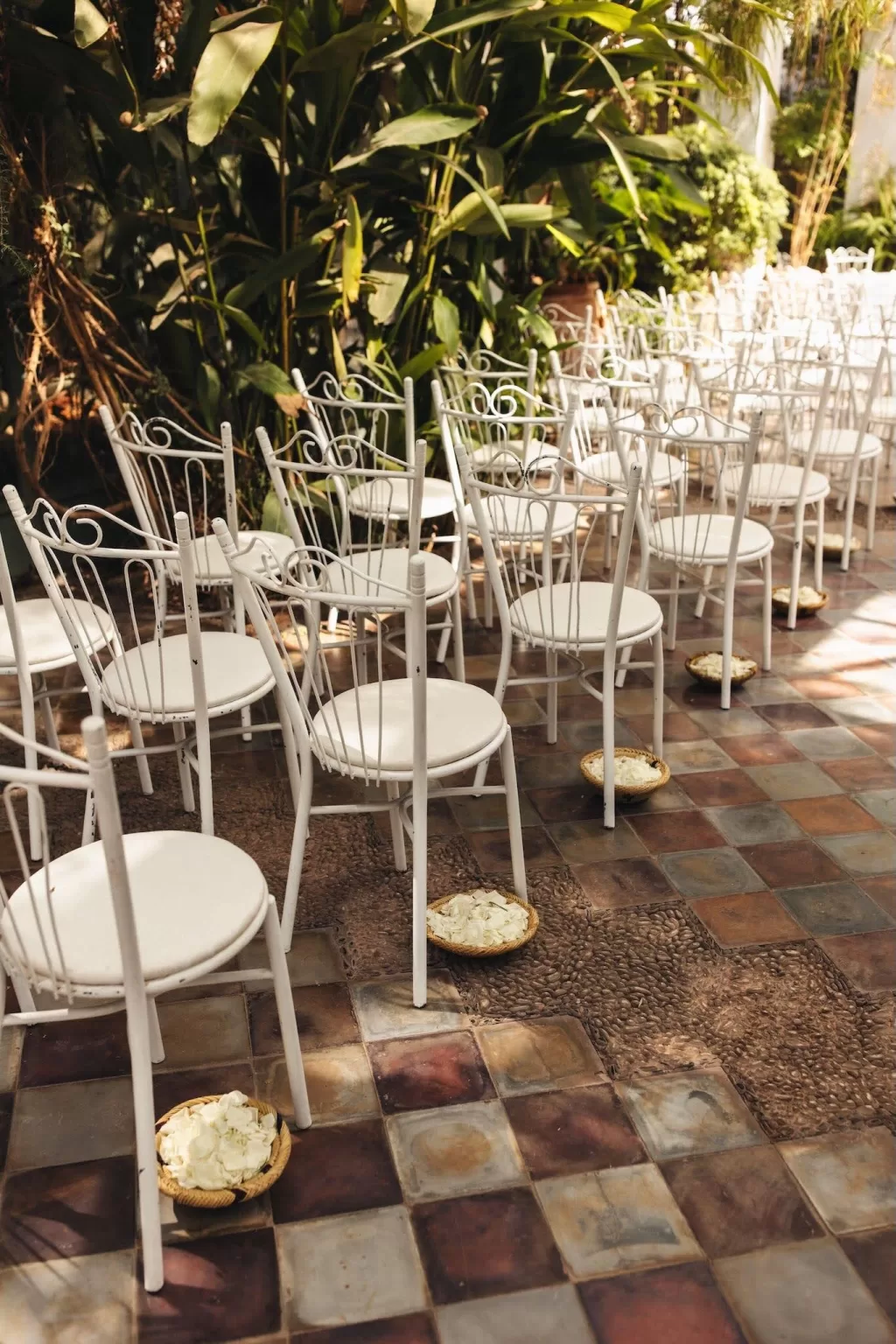
Because of the complexity and the fact that the process can take months, many international couples prefer to complete the legal marriage in their home country and host a symbolic ceremony in Morocco. Symbolic weddings allow complete freedom of choice in venue, style, and ritual, and they remain the most popular option for couples wishing to enjoy Morocco’s beauty and atmosphere without administrative stress.
To legally marry in Morocco, at least one partner must be a Moroccan national, or a foreign national must meet specific religious requirements, as Moroccan marriages are generally religious and often under Islamic law. Marriage laws are complex and depend on the nationality and religion of both partners. For example, a Muslim woman cannot marry a non-Muslim man unless he converts to Islam, while a Muslim man may marry a Christian or Jewish woman.
The process can be lengthy and bureaucratic. It typically involves working with a Moroccan adoul (religious notary), document translation and authentication into Arabic, and approval from local courts. Documents often required include passports and national IDs, birth certificates, medical certificates from a local doctor, proof of status (such as divorce decrees if applicable), employment or income verification, passport-sized photos, and, if applicable, a conversion certificate. The procedure may also include police interviews and the presence of two Muslim male witnesses for the religious contract.