
Weddings in England & Wales: Venues, Vendors & Planning Guide
Peak Season
Shoulder Season
Major Airports
Popular Vibes
Getting Married in England & Wales
A destination wedding in England & Wales offers something few places can — heritage woven seamlessly with modern refinement. From aristocratic estates and cathedral cities to relaxed coastal villages and design-led urban venues, the country offers extraordinary variety within a relatively compact geography.
Couples are increasingly drawn to England for:
-
Romantic countryside weddings in the Cotswolds and Lake District
-
Elegant manor house celebrations in Surrey, Hampshire and Oxfordshire
-
Coastal weddings in Cornwall and Devon
-
Castle weddings in Northumberland and Kent
-
Contemporary London weddings in historic townhouses and rooftop venues
Beyond scenery, England offers world-class wedding professionals, exceptional catering standards, and venues experienced in hosting international guests. Multi-day celebrations are common — welcome drinks in a pub garden, rehearsal dinners in private dining rooms, farewell brunches in orangery settings.
For couples seeking refinement without excess, and tradition without rigidity, England offers remarkable possibilities.
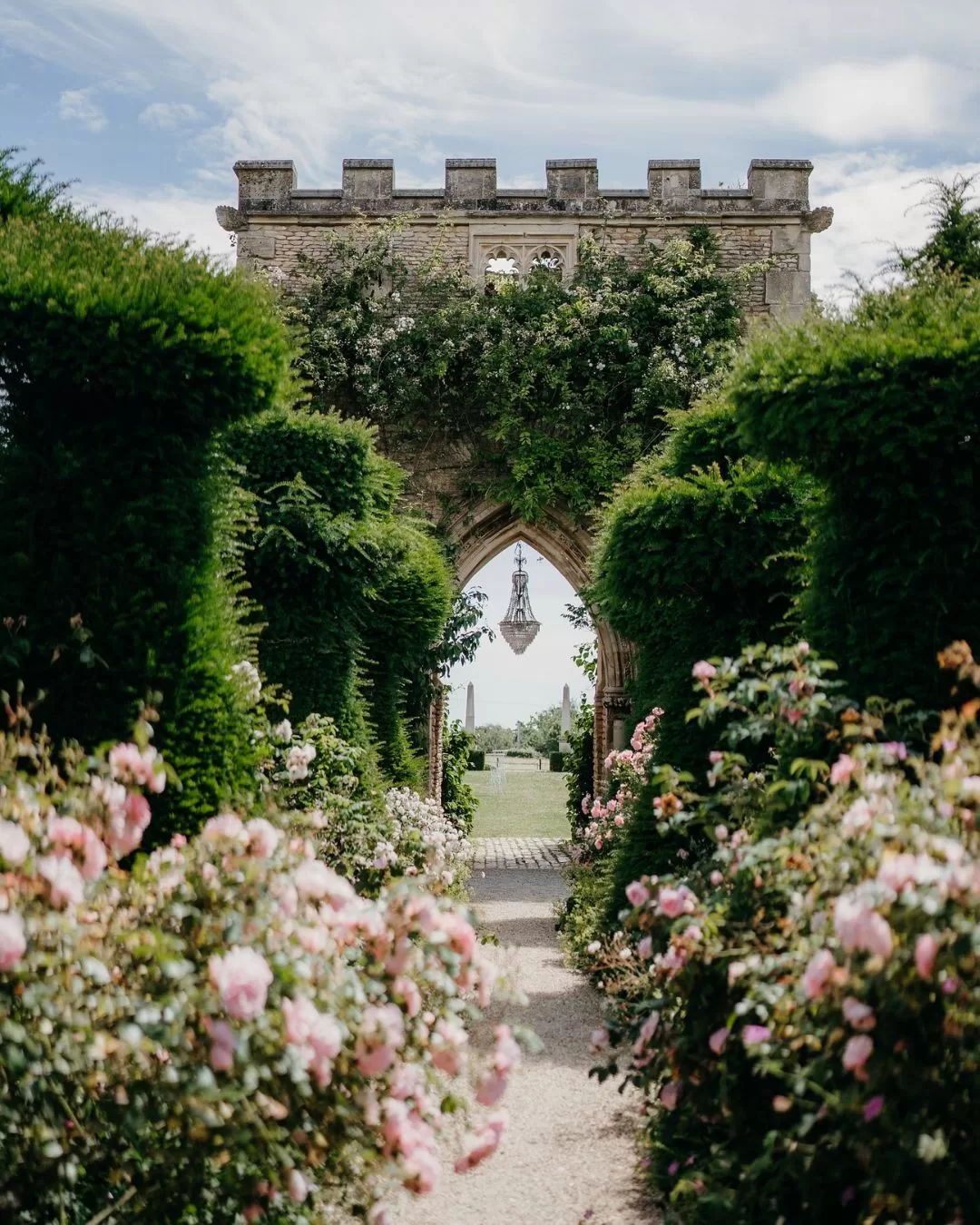
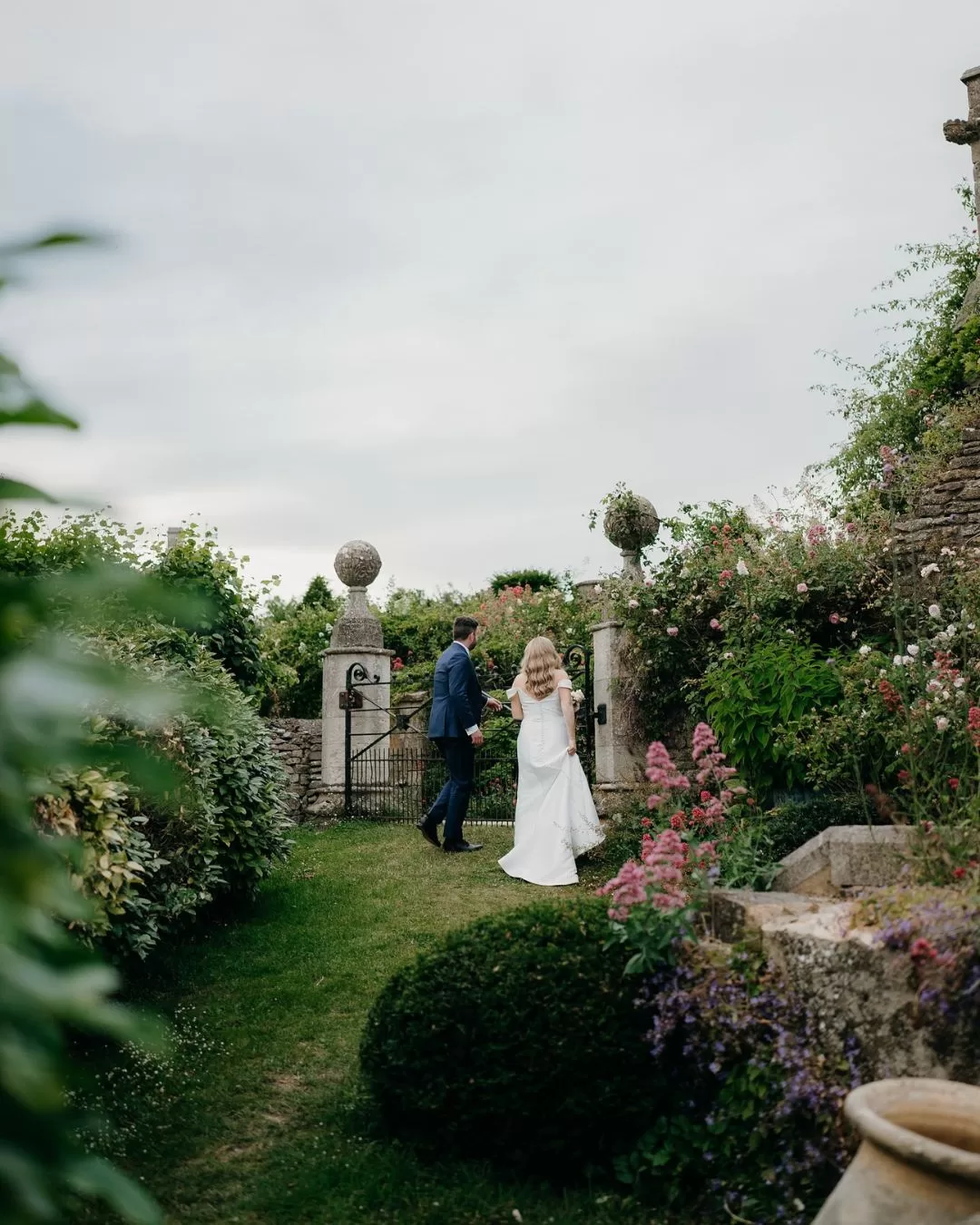
Types of Wedding Venues in England: Stately Homes & Countryside Estates
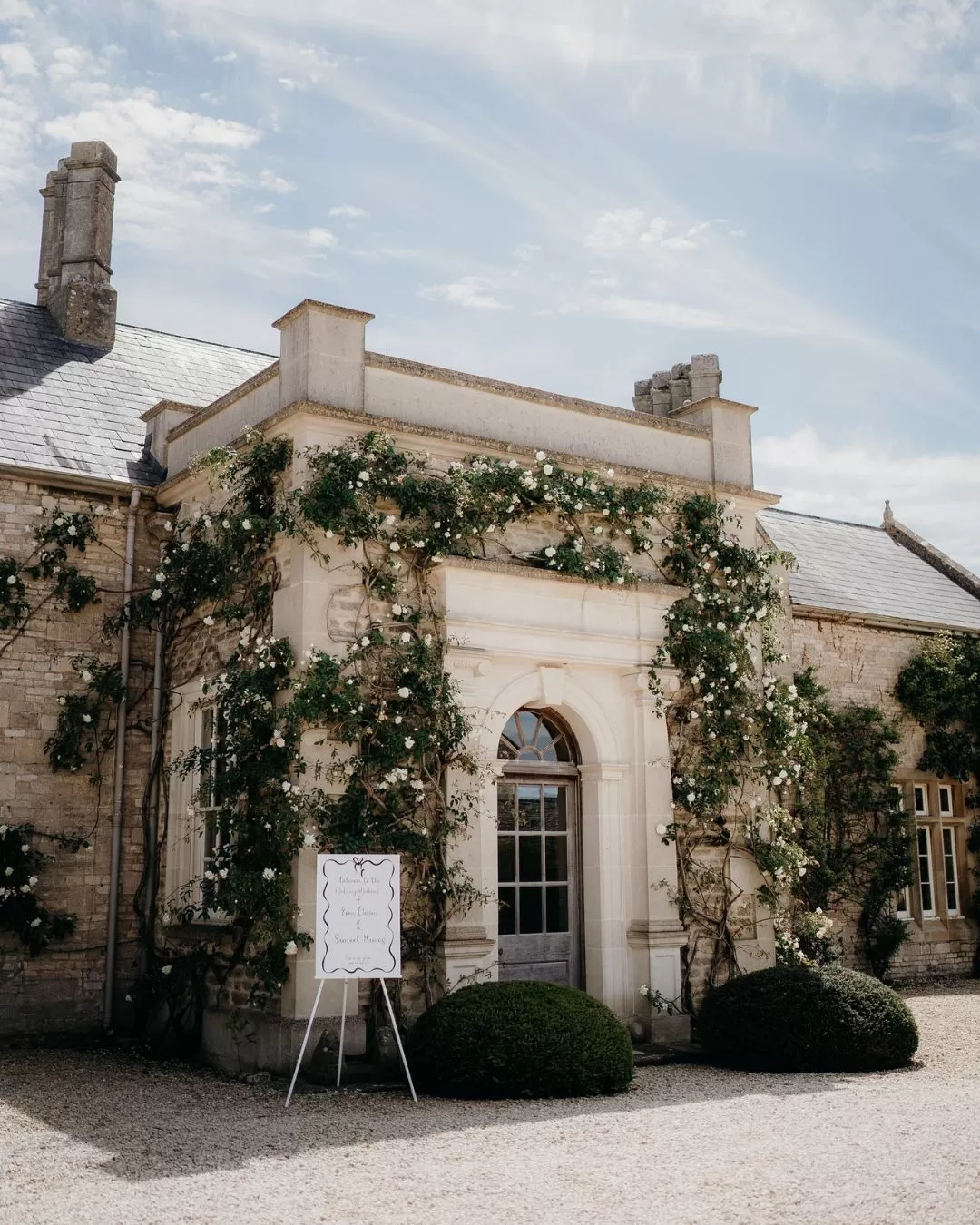
England has a wide range of wedding venues, reflecting its long history and regional diversity. Couples can find options as varied as medieval castles, country estates, converted barns, coastal retreats, and contemporary city hotels. Many venues come with historic architecture and landscaped gardens, while others focus on modern design. This variety means settings can feel traditional, rustic, or cosmopolitan depending on the choice, giving international visitors a clear sense of the breadth of what England offers without any single style dominating.
Iconic Venue Locations Include:
London
City venues range from luxury hotels and rooftop terraces to private clubs and historic landmarks such as museums and galleries. Options are plentiful, but costs are high and competition for prime dates can be intense.
The Cotswolds
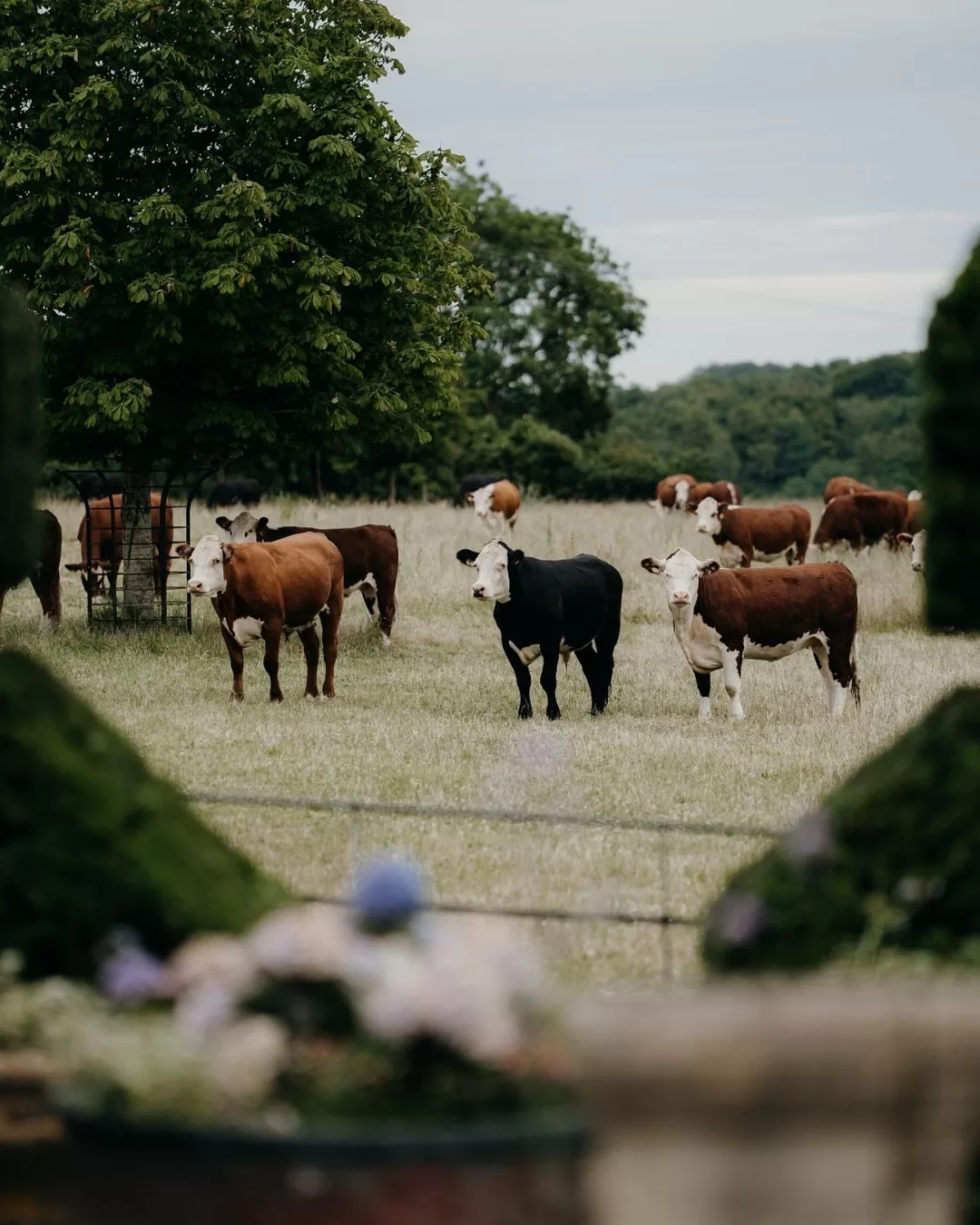
Known for its countryside villages and manor houses. Venues here lean towards rustic‑elegant, often with barn conversions or gardens. The location more remote, but the setting what most would identify as distinctly English.
Cornwall & Devon
Coastal regions with clifftop views and beachside settings. Popular with couples who value scenery, but weather conditions can be unpredictable.
Lake District
Lakeside hotels and lodges surrounded by mountains. Favoured by couples seeking outdoor backdrops, though logistics can be challenging for larger groups. It is ideal for couples who want to include outdoor activities in their multi day celebration such as hiking, sailing, or climbing that the Lakes are famous for, and remains a popular destination for many British holidaymakers.
Yorkshire & The North
Often referred to as “God’s own county,” Yorkshire offers stately homes, castles, and estates with a mix of grandeur and affordability. The settings often feel less commercial and strongly tied to the region’s identity, with a reputation for friendliness, warmth, and generous hospitality.
South Coast
Brighton and Dorset offer a mix of informal seaside spaces and more modern hotels.
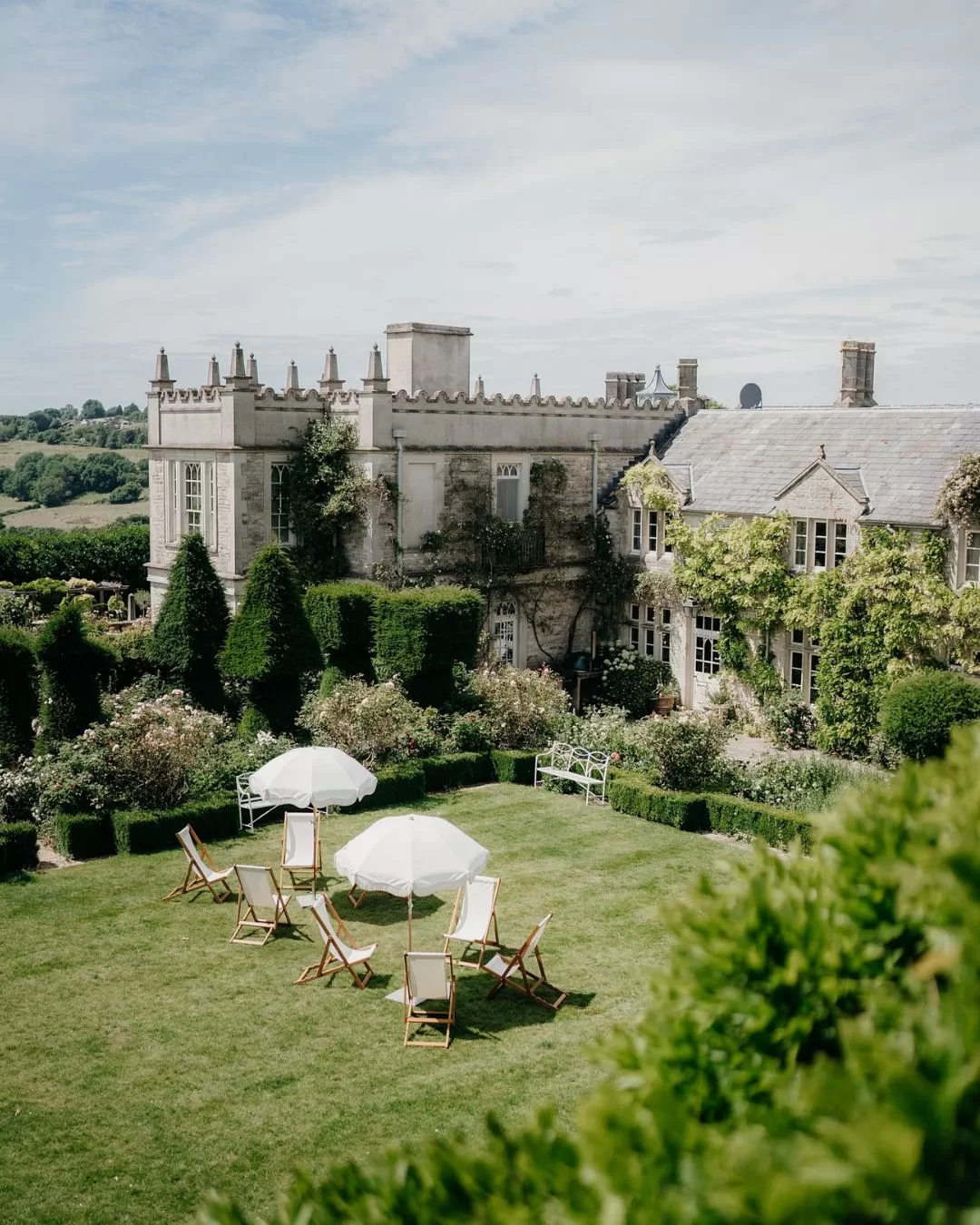
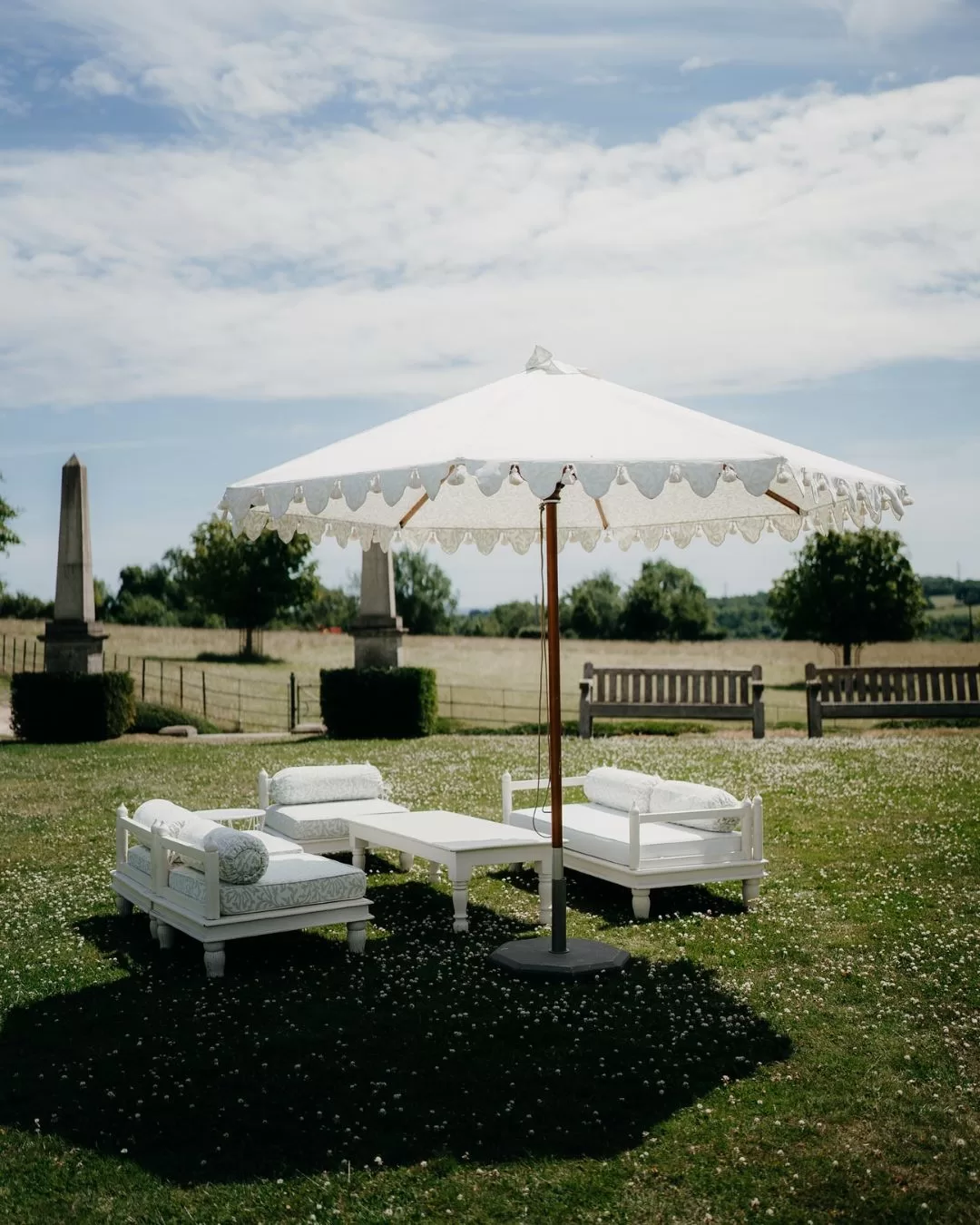
Wedding Traditions & Cuisine in England & Wales
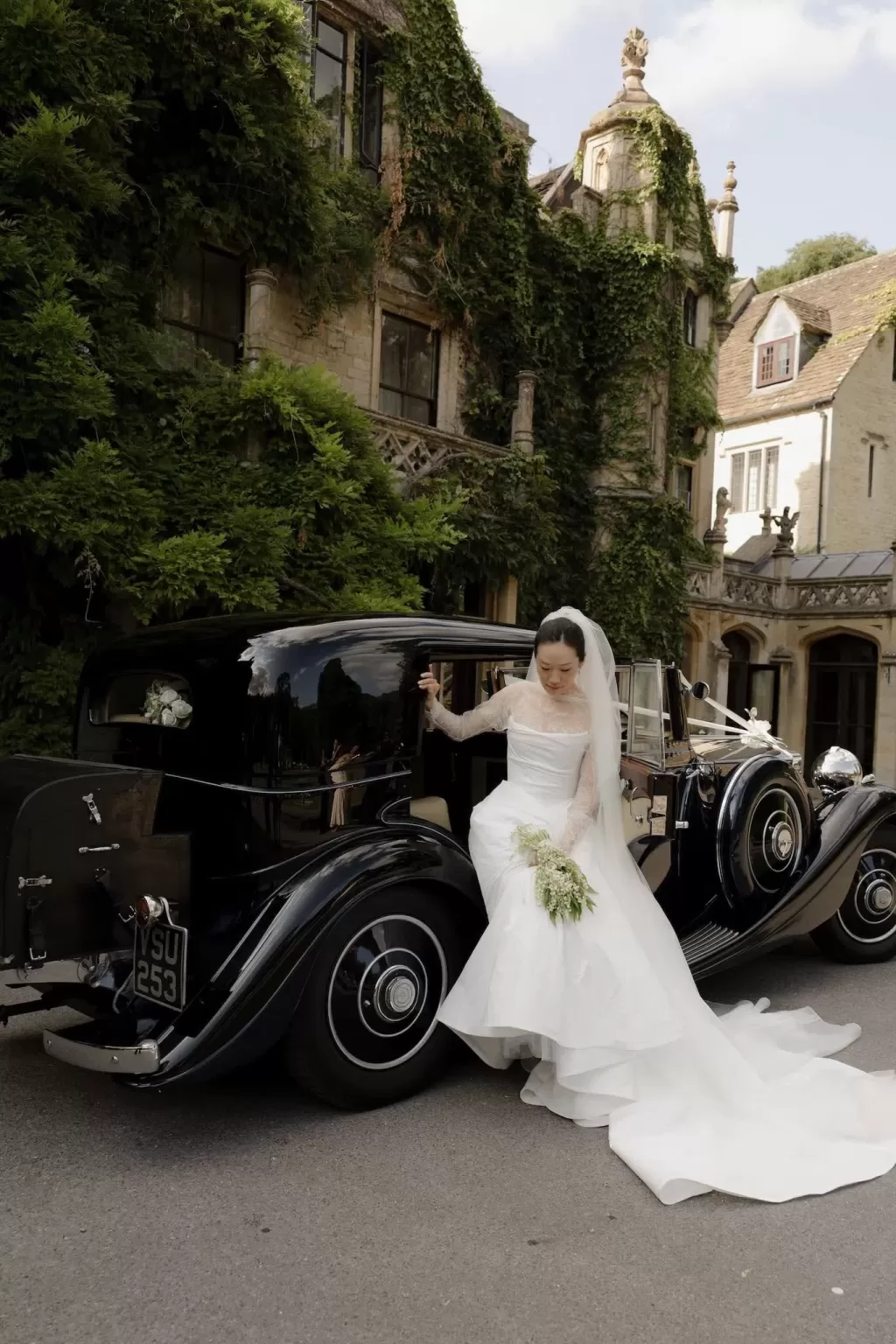
English weddings incorporate both traditional rituals and modern preferences. Church ceremonies remain common, though civil and symbolic services are widely available. Dress codes vary by venue, with some settings maintaining strict formality and others being more relaxed.
There are also notable cultural differences by region. Weddings in the North of England are often associated with warmth, generosity, and hearty food traditions, those in the South may lean towards formality and cosmopolitan influences, whereas in coastal areas celebrations can feel more relaxed and tied to the surroundings. These variations are subtle but noticeable, giving international guests a sense of England’s cultural diversity within a relatively small geographic area.
Food typically reflects regional produce. Menus may feature lamb, beef, fish, or vegetarian options, with desserts such as sticky toffee pudding or fruitcake. Afternoon tea‑style receptions are also popular. Drinks often include English sparkling wine, gin, and local ales or craft beer. Caterers usually adapt menus to international tastes, but traditional elements remain visible.
The domestic wedding market is large and varied, with vendors covering everything from classical string quartets to DJs, themed bands, fireworks, to more unusual entertainment options. Whatever the budget or style, couples will find vendors to suit their taste.
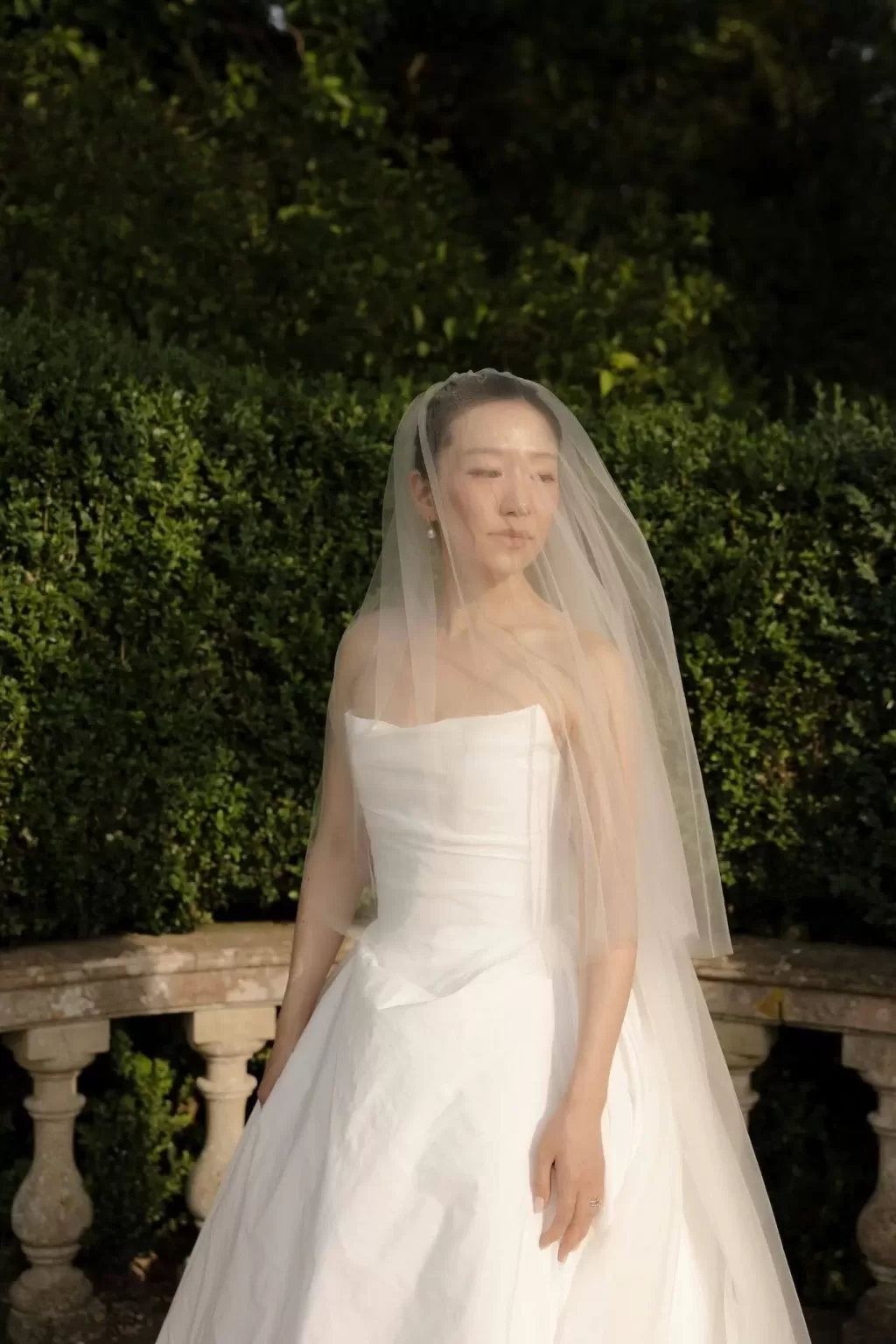
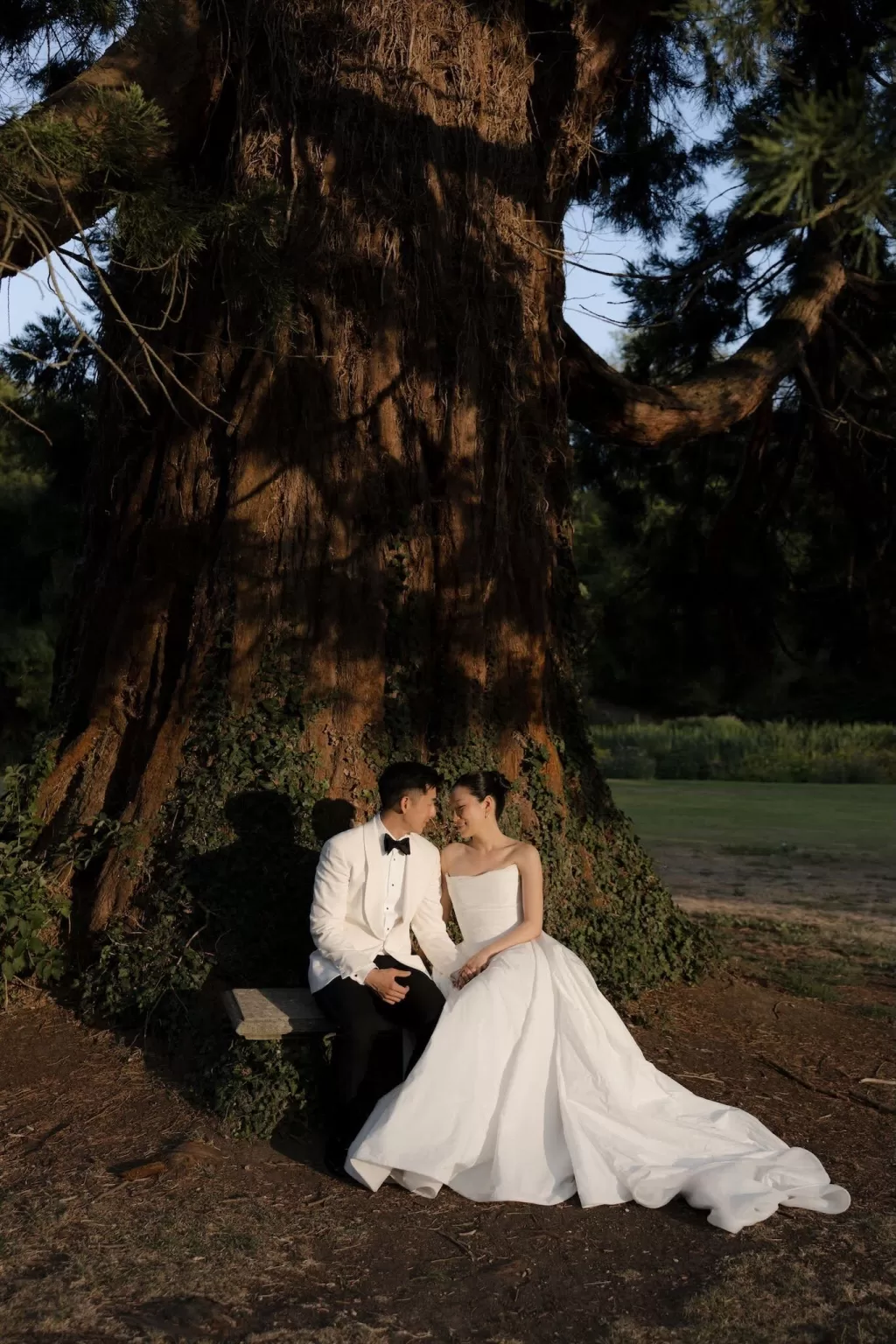
Best Time of Year for a Wedding in England & Wales
Summer (May – September): The busiest period for weddings, with average temperatures of 15°C to 25°C (59°F – 77°F). Days are long and gardens are in bloom, making outdoor ceremonies common. As England is famous for; rain is still likely, so most venues have contingency spaces and marque back up plans. International guests may find the climate mild compared to Mediterranean countries, but it is generally comfortable.
Winter (December – February): Temperatures range from 2°C to 10°C (36°F – 50°F). Venues emphasise indoor settings such as halls with fireplaces or decorated castles. Some couples value the atmosphere, especially around Christmas, but shorter days, poor weather, and travel disruption can be drawbacks.
Shoulder Seasons (March – April, October – November): Weather is variable, with temperatures from 8°C to 16°C (46°F – 61°F). Spring brings blossoms while autumn has striking foliage. Venues may be more affordable at these times, but the risk of rain remains high for any outdoor plans. International visitors often appreciate the seasonal landscapes, even if conditions are less predictable.
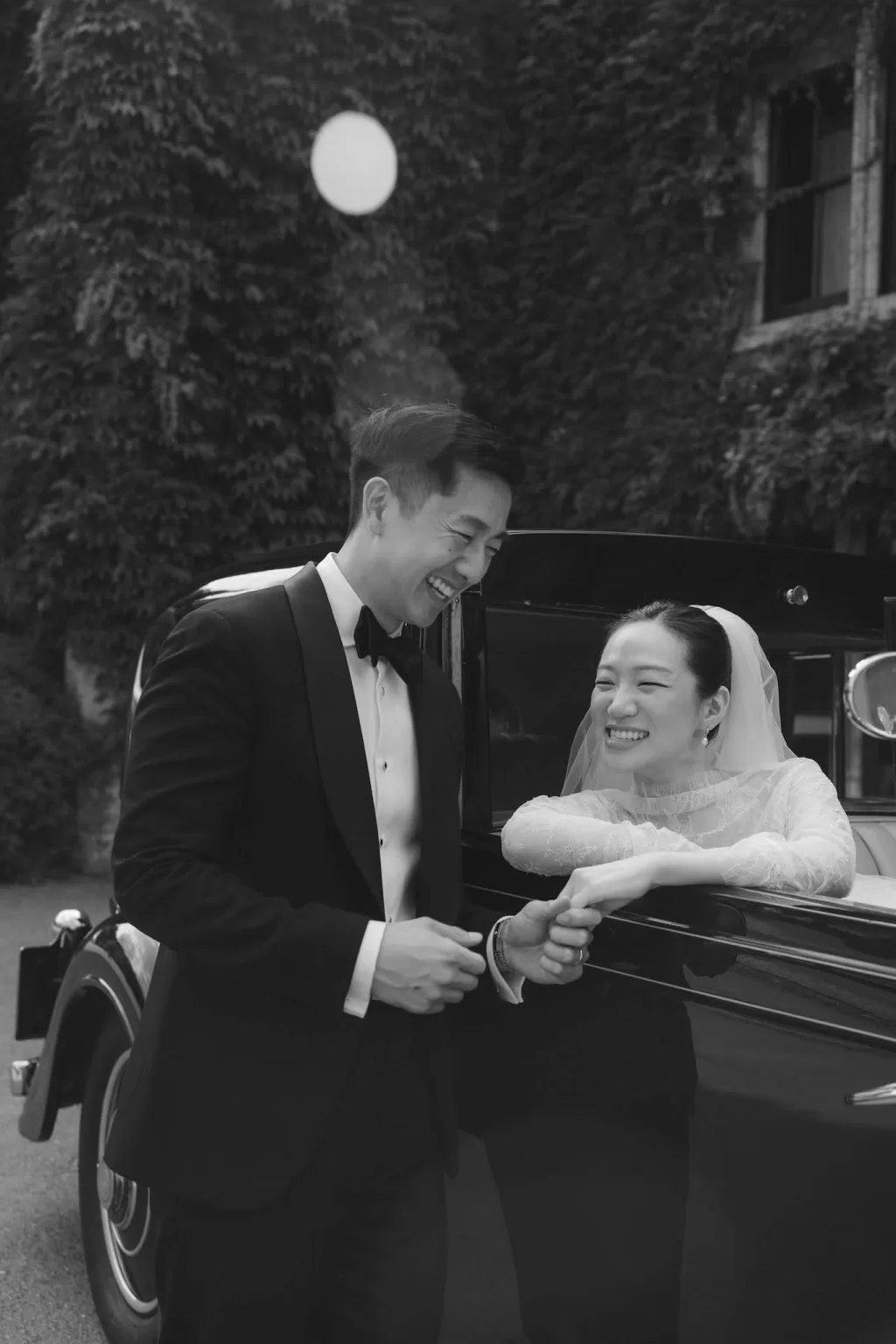
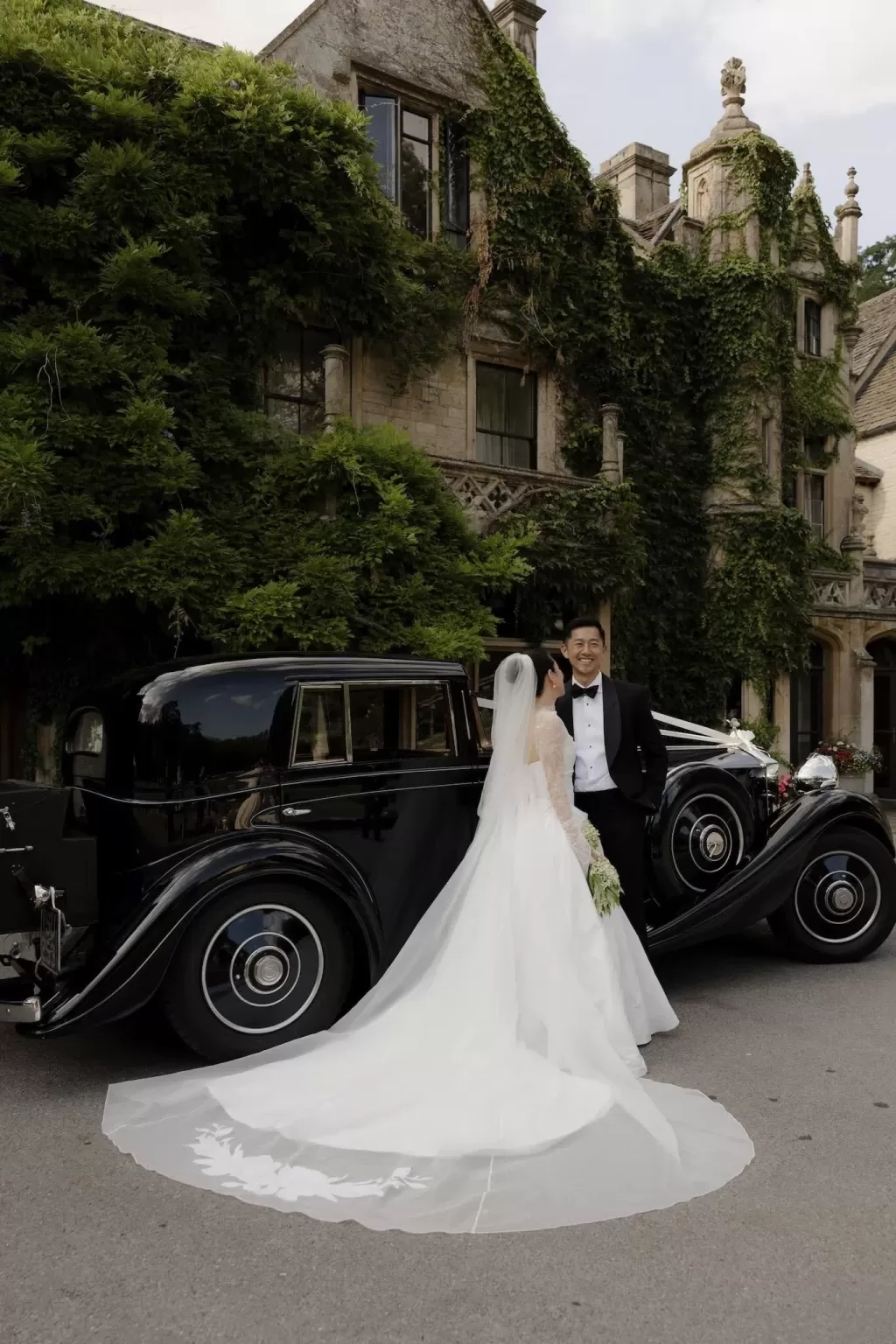
How Much Does a Destination Wedding in England & Wales cost?
Costs vary depending on guest count, exclusivity and region.
As a general guide:
-
Intimate country house weddings (30–50 guests): from £20,000–£35,000
-
Mid-size estate or barn weddings (70–120 guests): £35,000–£70,000
-
Luxury castle or exclusive multi-day hire: £80,000+
Key cost factors include:
-
Exclusive venue hire (often required for country estates)
-
Catering and premium beverage packages
-
Floral design and bespoke installations
-
Guest accommodation coordination
-
Photography and entertainment
-
Planner and production expertise
England is considered a premium European wedding destination, particularly in high-demand regions such as the Cotswolds and London. However, quality, service standards, and supplier expertise are consistently high.
How to Travel to England & Wales for Your Wedding
England is well connected internationally via Heathrow, Gatwick, Stansted, Manchester, Birmingham, Bristol, and Newcastle airports. Eurostar also links London to Paris and Brussels. Within the country, trains provide reasonable access between cities, though delays are not uncommon. Car hire is useful in rural regions where rail links are limited.
In cities, public transport is widely used: the London Underground, Manchester’s tram system, and buses across most towns. Taxis and rideshares are common. Accessibility for disabled guests is generally good.
Journeys between regions can be lengthy. London to Manchester is just over two hours by high‑speed train, while travel to Cornwall or the Lake District can take much longer. Domestic flights exist but are less common than rail for wedding guests. For some, these logistics are part of the appeal, offering opportunities to explore beyond the wedding day; for others, they may be a challenge.
Legal Requirements for Getting Married in England & Wales (for Foreigners)
Couples can legally marry in England through civil, religious, or approved venue ceremonies. For foreign nationals, the process can be more complex. In many cases, a Marriage Visitor visa is required if you are not a British or Irish citizen or do not hold settled status. This visa allows couples to enter the UK for the purpose of marrying but requires them to demonstrate they are free to marry, that the relationship is genuine, and that they intend to leave the UK after the ceremony.
Requirements usually include:
- Valid passports
- Birth certificates
- Proof of single status (Certificate of No Impediment – a document issued by your home country’s authorities confirming there is no legal barrier to your marriage)
- A Marriage Visitor visa
Civil ceremonies are held in registry offices or licensed venues. Church of England weddings are legally recognised, though additional rules apply for non-residents. Some churches and chapels permit blessings rather than legal ceremonies, which can suit international couples.
Because of the residency and visa requirements, many foreign couples find it simpler to complete the legal paperwork in their home country and hold a symbolic ceremony in England, which avoids bureaucracy but still offers the atmosphere of a local wedding.
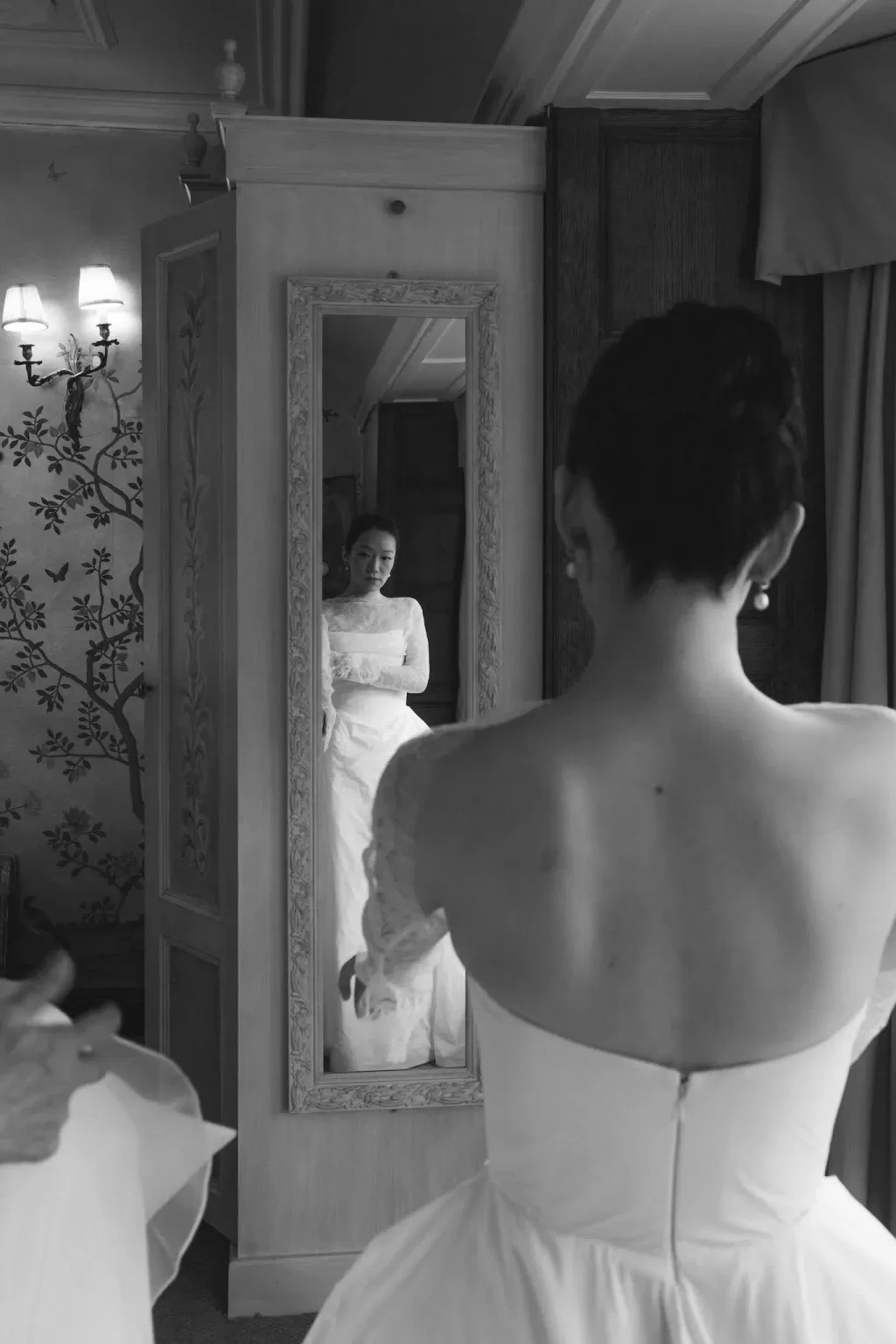
Plan your dream destination wedding in England & Wales
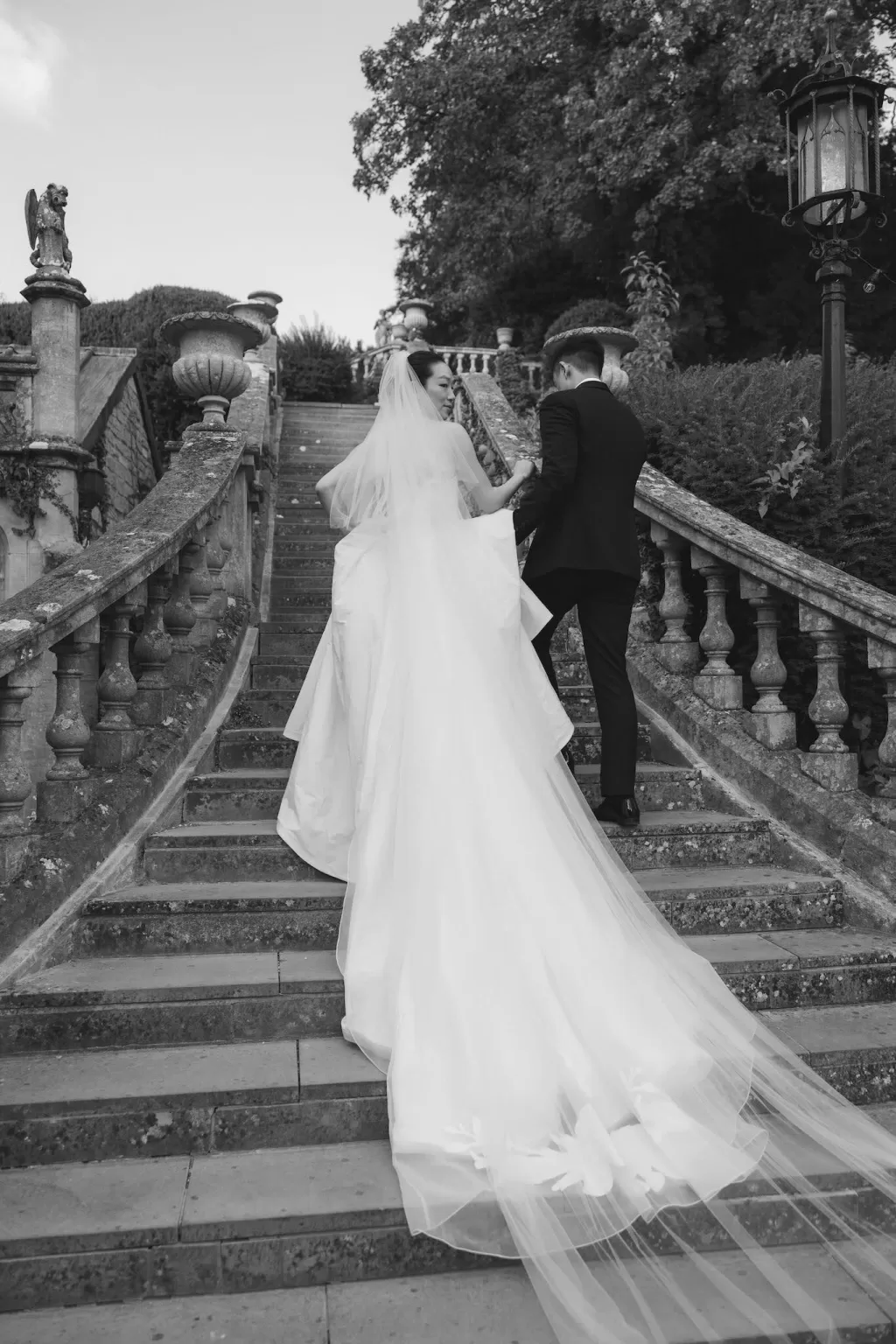
England offers couples the opportunity to celebrate in settings where history, landscape and craftsmanship converge. Some choose the intimacy of a honey-stone manor in the countryside, others the grandeur of a castle overlooking rolling hills, or the energy of a London townhouse lit for an evening reception.
More than a single day, an English destination wedding often becomes a weekend gathering — garden cocktails, black-tie dinners, countryside walks, and farewell brunches the morning after. Guests leave not only with memories of the ceremony itself, but of the atmosphere, architecture and refined hospitality that define England.
Explore our curated collection of England wedding venues and vendors to begin planning your celebration.