
Photo by Karina Lee
How to Choose a Destination Wedding Venue: What to Look For Before You Book
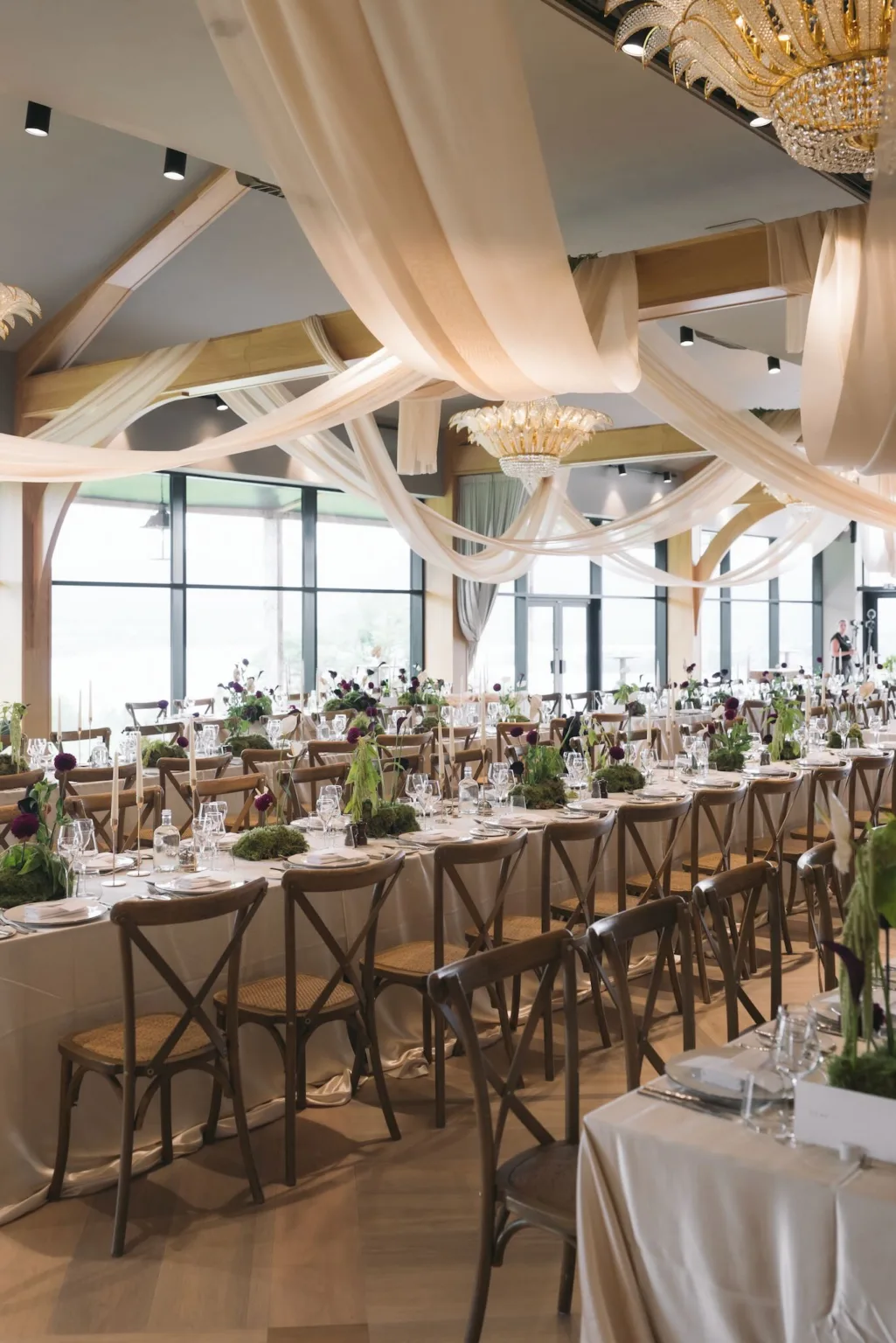
Choosing a destination wedding venue is one of the decisions that shapes everything else: the guest list, the budget, the mood of the day, the pace of the weekend and often the destination itself.For many couples, the search starts with a photograph. A terrace facing the sea, a villa in the countryside, a château with rooms for the weekend, a garden where dinner could run late into the evening. But the right venue needs to do more than look good. It needs to work for the way you want to gather.
A destination wedding asks more of a venue than a wedding close to home. Guests are travelling, often staying for several days, and relying on the setting to carry more of the experience. The strongest venues are not always the most dramatic ones. They are the places where the architecture, location, service and logistics all support the same kind of celebration. Here is what to look for before you book.
Start With the Kind of Wedding You Actually Want
Before narrowing down venues, get clear on the experience you are trying to create. Not just how the wedding should look, but how it should feel for you and your guests.
Do you want a small wedding where everyone stays together on site? A long weekend with welcome drinks, a ceremony, dinner and a poolside brunch? A formal celebration in a historic building? A relaxed coastal gathering where guests can make a holiday of it?
These questions matter because different venues support very different versions of a destination wedding. A boutique hotel may offer structure and service. A private villa may give you more privacy and flexibility. A countryside estate may be ideal for a full weekend, while a city venue may suit guests who want culture, restaurants and easy transport around them.
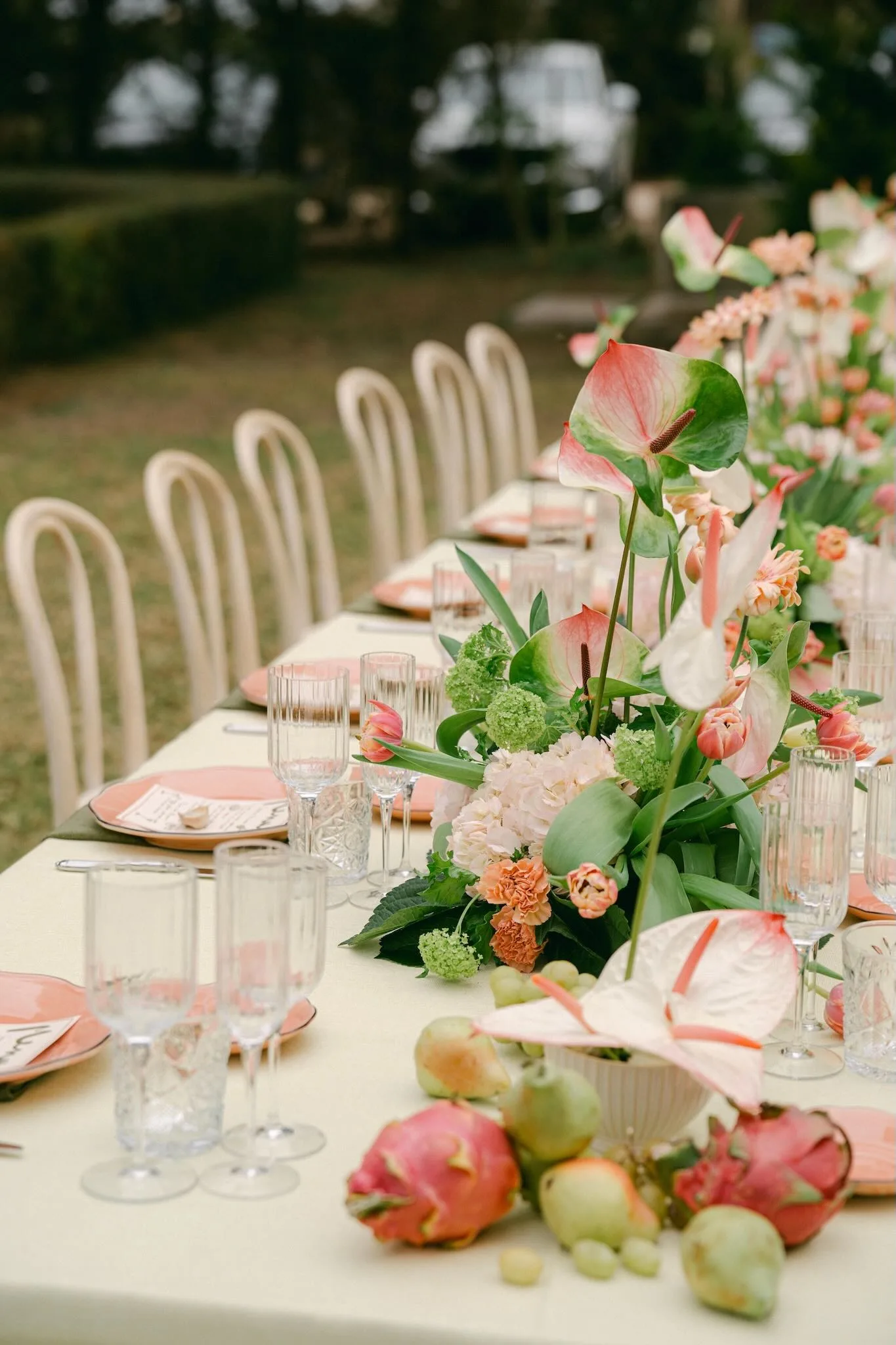
Photo by MADEINVIDEO
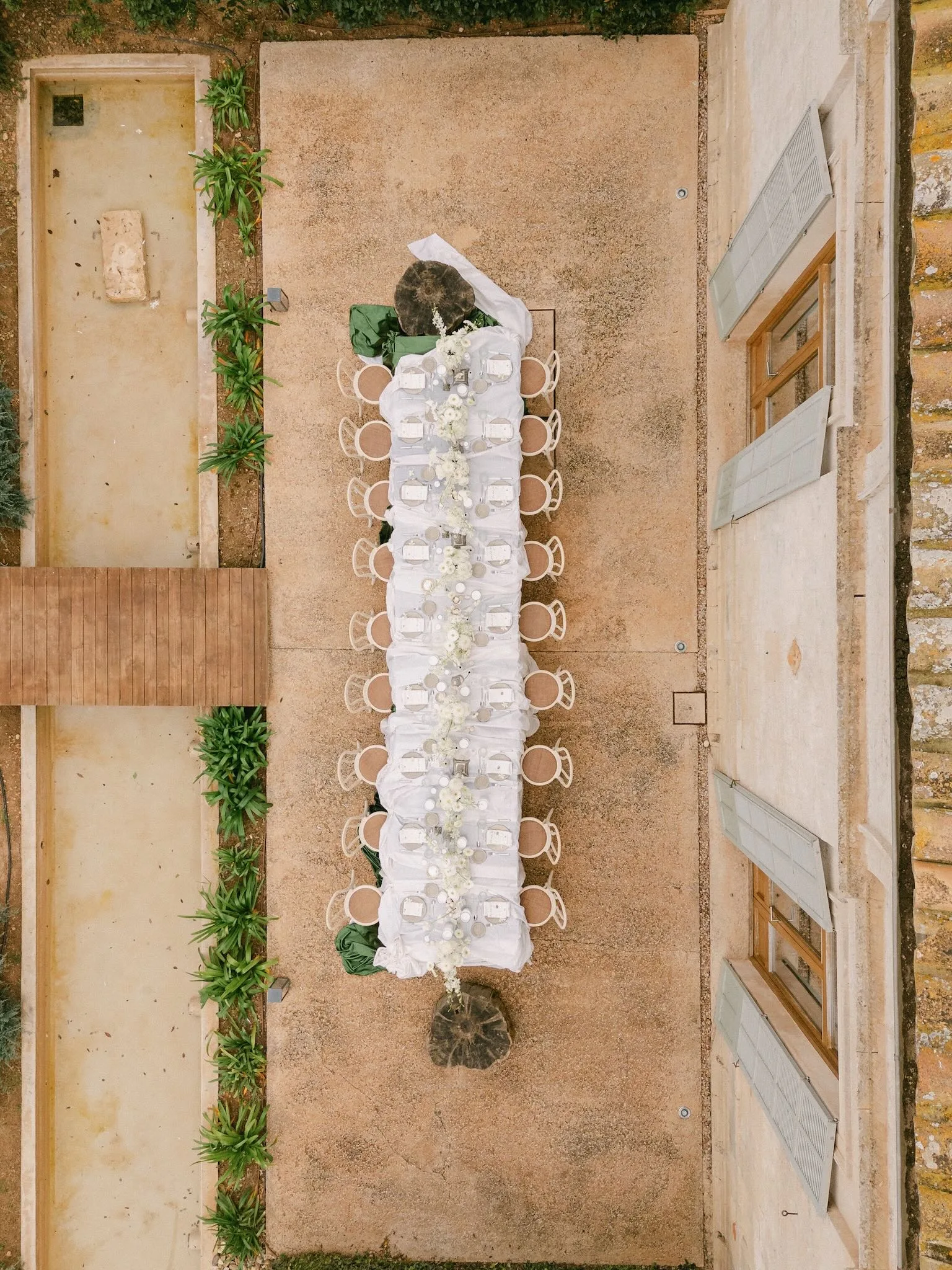
Photo by MADEINVIDEO
Look Beyond the Main Venue Fee
Destination wedding budgets can be harder to compare because venues present their pricing in different ways. One venue may quote a clear hire fee. Another may offer a package. A private villa may seem lower at first, but require almost everything to be brought in separately.
The important question is not just “how much does the venue cost?” It is “what does it cost to make this venue work as a wedding?”
Ask what is included in the quoted price, and what will be charged separately. This might include furniture, tableware, lighting, sound, catering equipment, staffing, cleaning, security, accommodation, ceremony setup, late-night extensions or transport.

Photo by Maggie Collazo
Photo by Maggie Collazo
Currency, tax and payment terms
If you are booking abroad, check which currency the venue charges in and whether VAT, service fees or local taxes are included in the quote. Exchange rates can change between booking and final payment, so it is worth understanding when payments are due and whether the venue allows you to pay in instalments.
Supplier and setup costs
A venue with in-house catering and furniture may look more expensive upfront, but could be simpler overall. A private estate with a lower hire fee may need external catering, rentals, lighting, generators, additional toilets and more staff.
Neither model is automatically better. You just need to compare like with like.
Contingency
Build in a contingency from the beginning. Destination weddings often involve extra moving parts: transport, weather changes, supplier travel, accommodation minimums, currency movement or last-minute guest needs. A small buffer makes those decisions less stressful later.
Understand What the Venue Provides
A destination wedding venue should be evaluated as an experience, not just a setting. The spaces need to work across the full day, from guest arrival to ceremony, dinner, music and the morning after.
A venue might look beautiful in a gallery, but still be awkward in practice if guests have to move too far between spaces, if dinner only works in one weather condition, or if music has to end before the evening has properly begun.
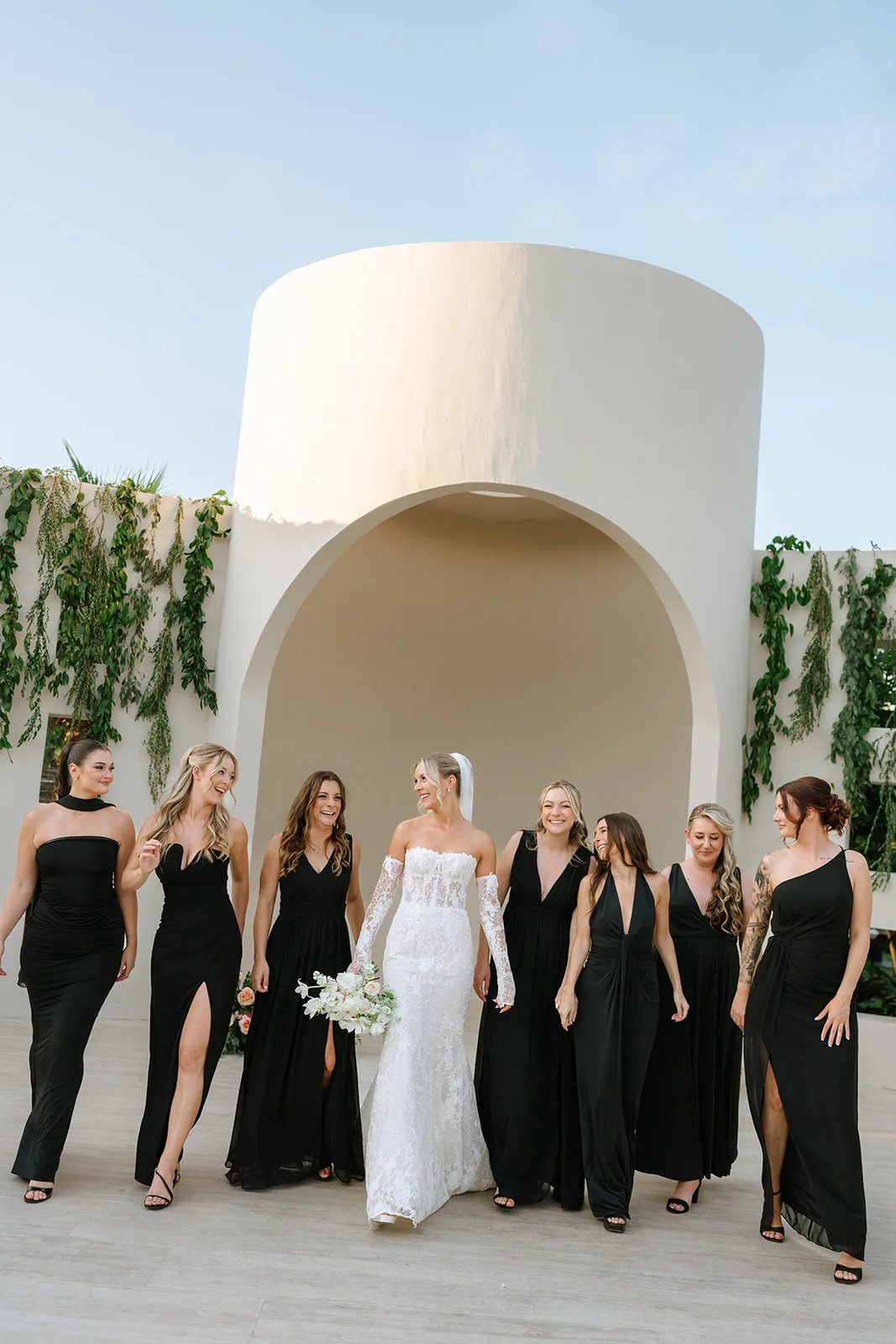
Photo by @mcw_photocinema

Photo by @mcw_photocinema
Ceremony Spaces
Ask where ceremonies usually take place and what happens if the weather changes. A sea view or garden setting may be the reason you first noticed the venue, but the backup option matters just as much.
A good venue should be able to show you both the main ceremony space and the covered or indoor alternative. If the backup location would completely change the mood of the day, it is better to know that before booking.
You should also check whether the venue allows legal ceremonies, symbolic ceremonies or both. In many destinations, couples choose to complete the legal paperwork at home and have a symbolic ceremony abroad. This can make the process simpler, but it should still be discussed early.
Accommodation
Accommodation is one of the biggest differences between destination wedding venues. Some venues can host the whole guest list. Some only have rooms for close family and the wedding party. Others have no accommodation on site but work well because there are hotels nearby.
Think about how you want the guest experience to unfold. Having everyone stay together can make the wedding feel more connected, but it can also increase cost and create questions around room allocation. Nearby accommodation gives guests more choice, but may require transport planning.
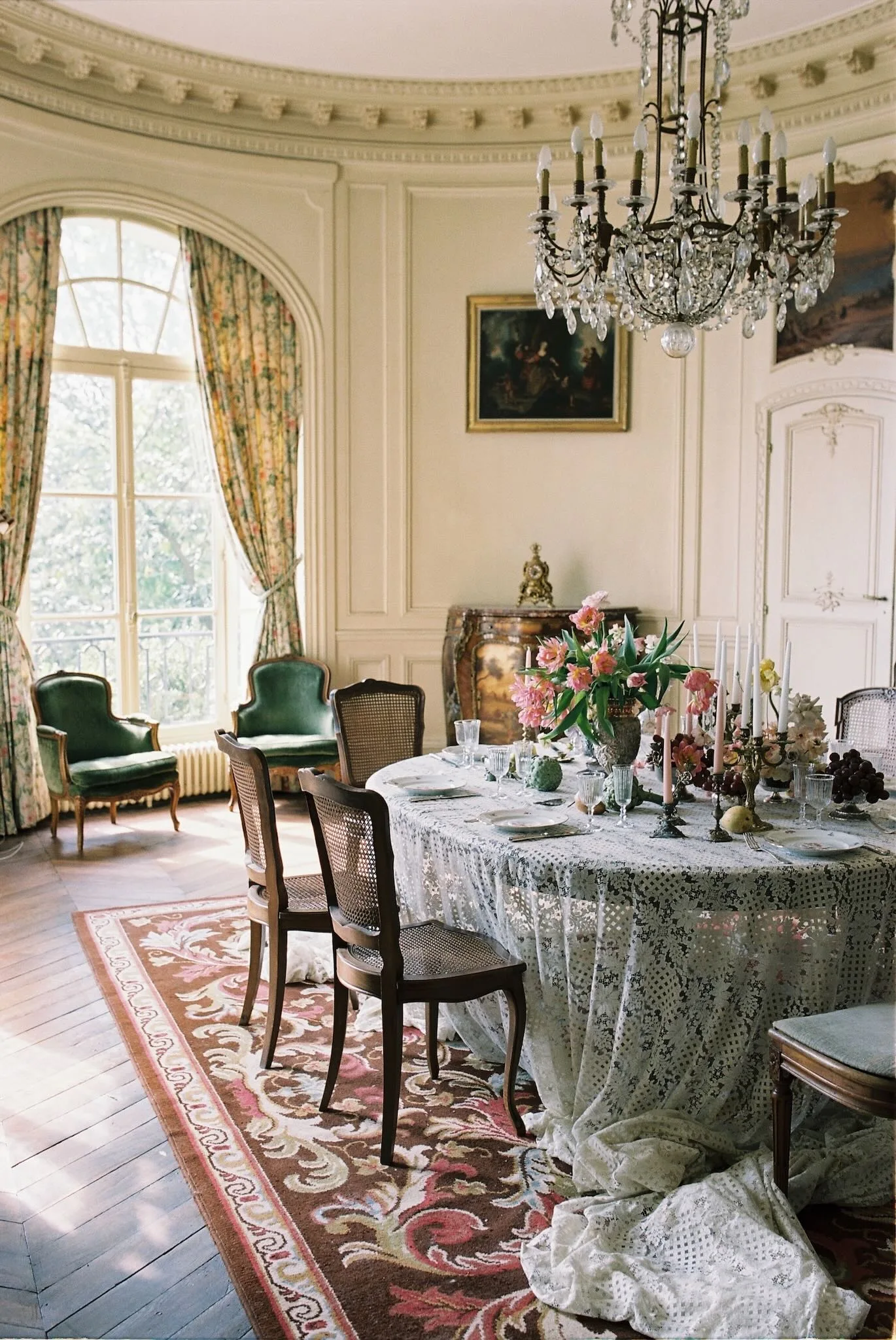
Photo by Irena Balashko

Photo by Irena Balashko
Catering and Bar
Food is a major part of the destination wedding experience, especially when guests have travelled to be there. Ask whether the venue provides catering in-house, works with preferred caterers or allows external suppliers.
In-house catering can make planning simpler, particularly if the team already knows the venue. External catering can give more flexibility, but it may involve extra setup costs, kitchen access, equipment hire and staff fees.
It is worth asking whether the venue can support additional meals beyond the wedding dinner: welcome drinks, a rehearsal dinner, a recovery brunch or informal poolside lunch. These moments often matter more than couples expect because they give guests time to settle in.
For the bar, check whether packages are fixed or flexible, whether local wine or spirits are available, and whether corkage applies if you bring your own alcohol.
Supplier Rules
Every venue has its own approach to suppliers. Some require you to use their in-house team or preferred list. Others allow you to bring in your own planner, florist, photographer, caterer, DJ or production team.
Preferred suppliers can be helpful when you are planning from abroad. They already know the access points, timings, restrictions and local area. But if you have a particular creative direction in mind, restrictions may feel limiting.
Before booking, ask which suppliers are mandatory, which are recommended, and which are fully your choice.
Accessibility and Guest Comfort
Destination weddings often bring together guests of different ages, travel needs and mobility levels. A venue that works beautifully for a couple may not work as easily for grandparents, children or guests with limited mobility.
Ask about step-free access, distances between spaces, toilets, shaded areas, heating or cooling, child-friendly facilities and whether guests can easily leave earlier if needed.
These details may not shape the overall look of the wedding, but they will shape how comfortable people feel throughout the day.
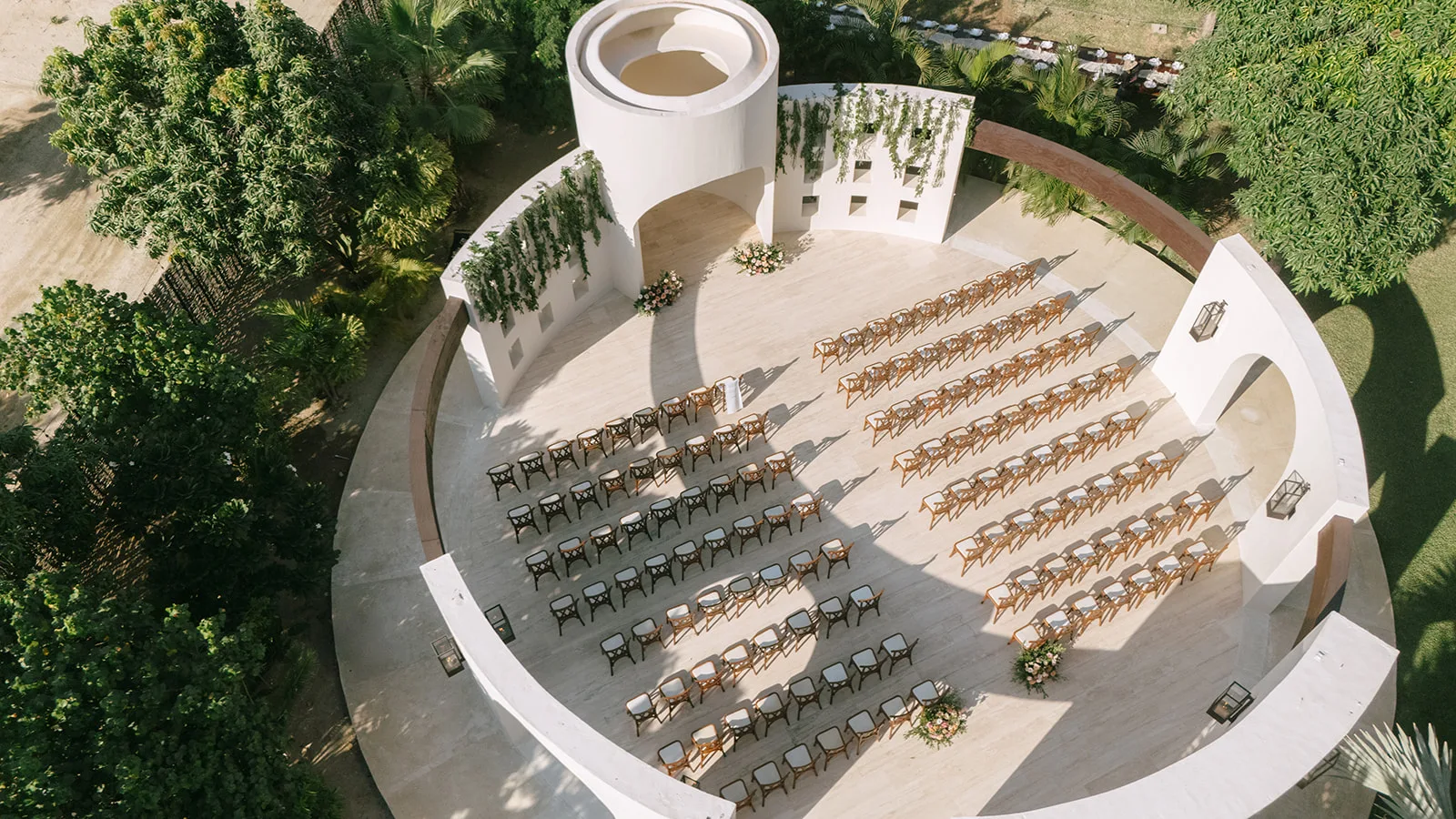
Photo by @mcw_photocinema
Think About the Full Guest Experience
With a destination wedding, the venue is only one part of the trip. Your guests will also be thinking about flights, transfers, accommodation, cost, time off work and what they can do around the wedding.
A remote venue may be worth it if the setting is exceptional and logistics are well handled. But if guests need multiple flights, a long drive and limited accommodation options, the experience can start to feel difficult before they arrive.
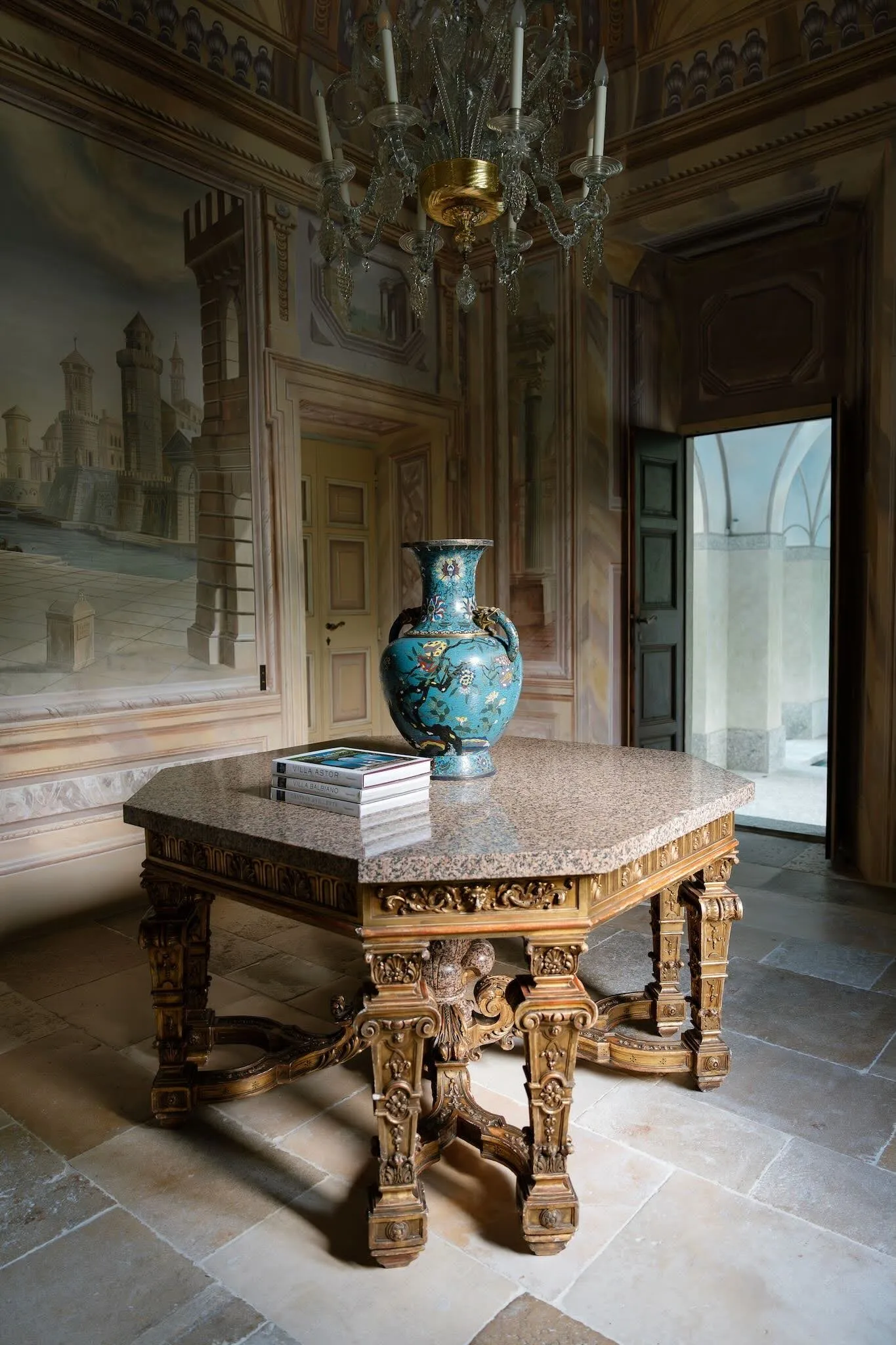
Photo by LEO AND NICK
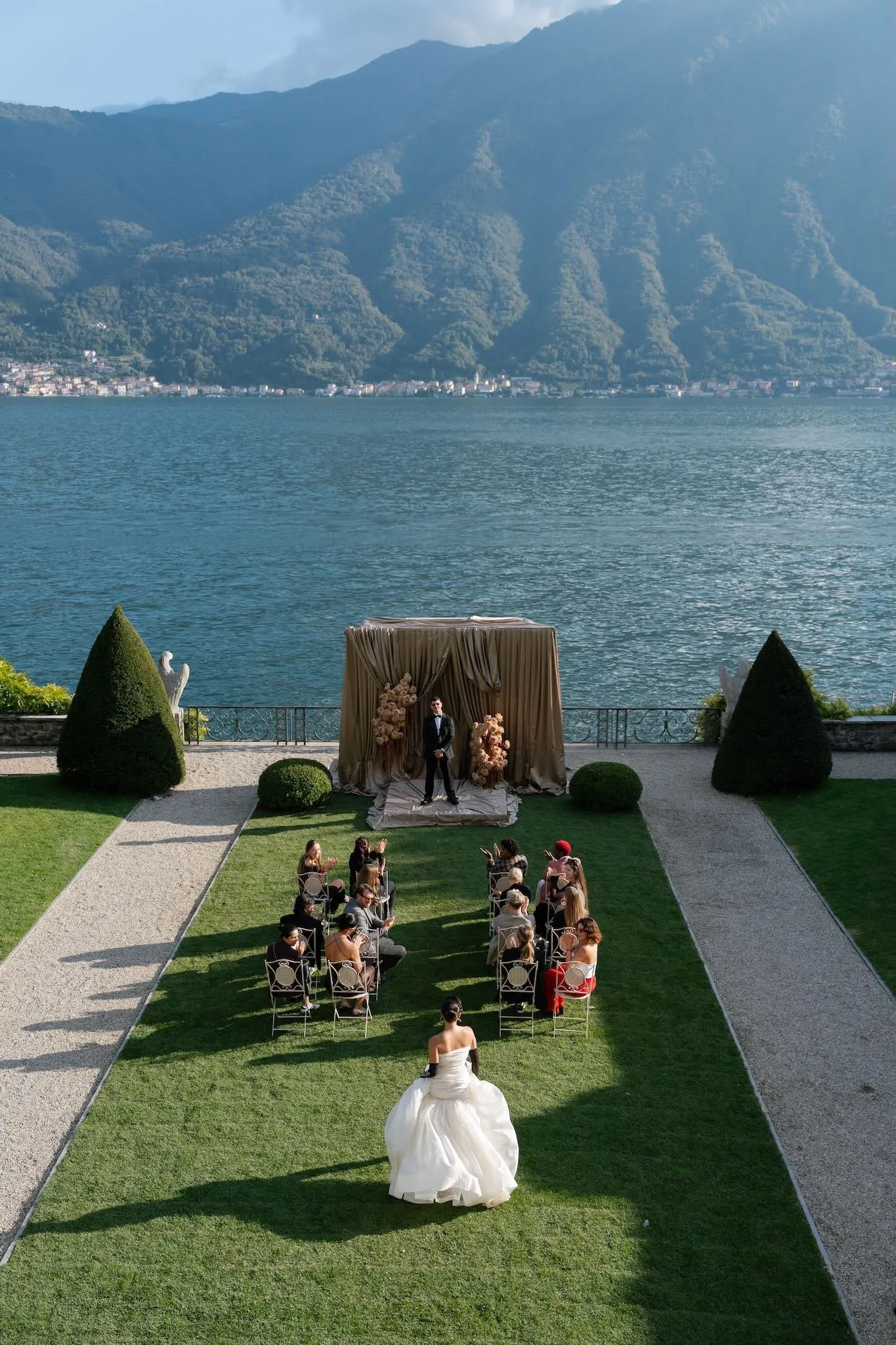
Photo by LEO AND NICK
Check the Season, Weather and Light
The time of year will affect almost every part of a destination wedding: temperature, availability, prices, flights, local crowds, flowers, food, light and how comfortable guests feel outside.
Do not rely only on average temperatures. Look at rainfall, humidity, wind, heat, wildfire risk, hurricane or monsoon seasons where relevant, and how the location feels at different times of day.
A venue may be beautiful in July but too hot for an afternoon ceremony. A coastal setting may be cooler but windier than expected. A mountain venue may need a more flexible plan around weather changes.
Backup plans
Every outdoor venue should have a clear weather plan. Ask where the ceremony, drinks, dinner and dancing move if the weather changes. A marquee, covered terrace or indoor dining room can work well, but only if you would still be happy getting married there.
Sunset and timing
Sunset times matter for photography, ceremony timing and the flow of dinner. If you are planning an outdoor ceremony, check the light at the exact time of year you are considering. A space that photographs beautifully at sunset may feel too harsh or too exposed earlier in the afternoon.
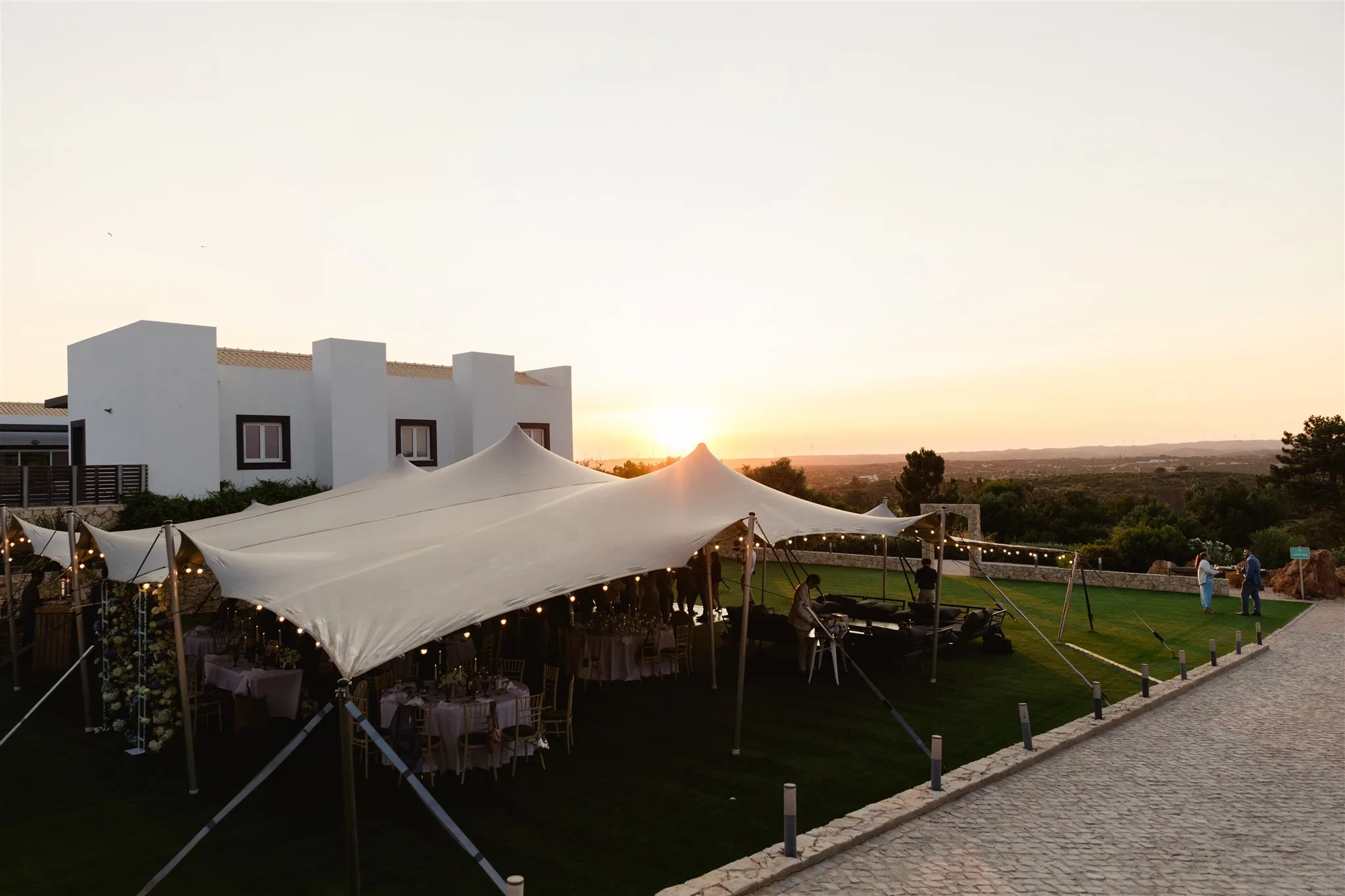
Photo by Matt + Lena Photography
Understand Legal Ceremony Requirements
Legal wedding requirements vary by country, region and sometimes even by municipality. Some destinations require specific documents, translations, appointments, waiting periods or residency conditions. Others may only allow legal ceremonies in approved locations.
Because rules can change, it is best to confirm requirements with an official source, local planner, registrar, celebrant or relevant authority before making assumptions.
Many couples choose to complete the legal paperwork in their home country and hold a symbolic ceremony abroad. This can give more freedom around venue choice, ceremony wording and location. It also removes some of the pressure from the wedding day itself.
If having the legal ceremony abroad is important to you, check this before booking the venue. Not every beautiful setting is approved for legal ceremonies, and not every venue will be able to support the process.

Photo by ALLEY PRESENTS
Photo by ALLEY PRESENTS
Visit the Venue, or Ask for a Detailed Virtual Walkthrough
Seeing a venue in person is still one of the best ways to understand whether it will work for your wedding. Photographs can show atmosphere, but they do not always show distance, sound, access, shade, privacy or how the spaces connect.
If you can visit, try to go during a similar season to your wedding date. Notice how the light falls, how hot or windy it feels, how easy it is to move between spaces, and whether the setting feels as good in person as it does online.
If visiting is not possible, ask for a live video walkthrough rather than relying only on a gallery. Request to see the less glamorous but important areas too: bathrooms, kitchens, access roads, backup spaces, guest routes, parking, supplier entry points and the area where music or dancing would happen.
A good venue should be willing to answer detailed questions. If they avoid practical details early on, that may be a sign of how communication will feel later.
Photo by Youri Claessens

Photo by Youri Claessens
Ask the Right Questions Before You Sign
Once a venue is on your shortlist, the questions become more specific. This is the stage where you want clarity, not assumptions.
These questions are not about making the process less romantic. They are about protecting the experience you are trying to create.
The best venues will not be put off by practical questions. They will understand that good planning is what allows the day to feel calm.
Choosing the Venue That Feels Right
The right destination wedding venue should feel like a match on more than one level. It should suit your guest list, your budget, your style and the amount of support you want during planning. It should also make sense for the people travelling to celebrate with you.
A venue does not need to offer everything. It needs to offer the things that matter most to the kind of wedding you want.
For some couples, that will mean a hotel with strong service, accommodation and a polished guest experience. For others, it will be a private villa, a countryside estate, a winery, a masseria or a coastal retreat where the celebration can unfold over several days.
Start with the experience, then find the place that supports it. The most memorable destination weddings are not defined by a checklist of features. They come from choosing a setting that gives the whole celebration a clear sense of place.