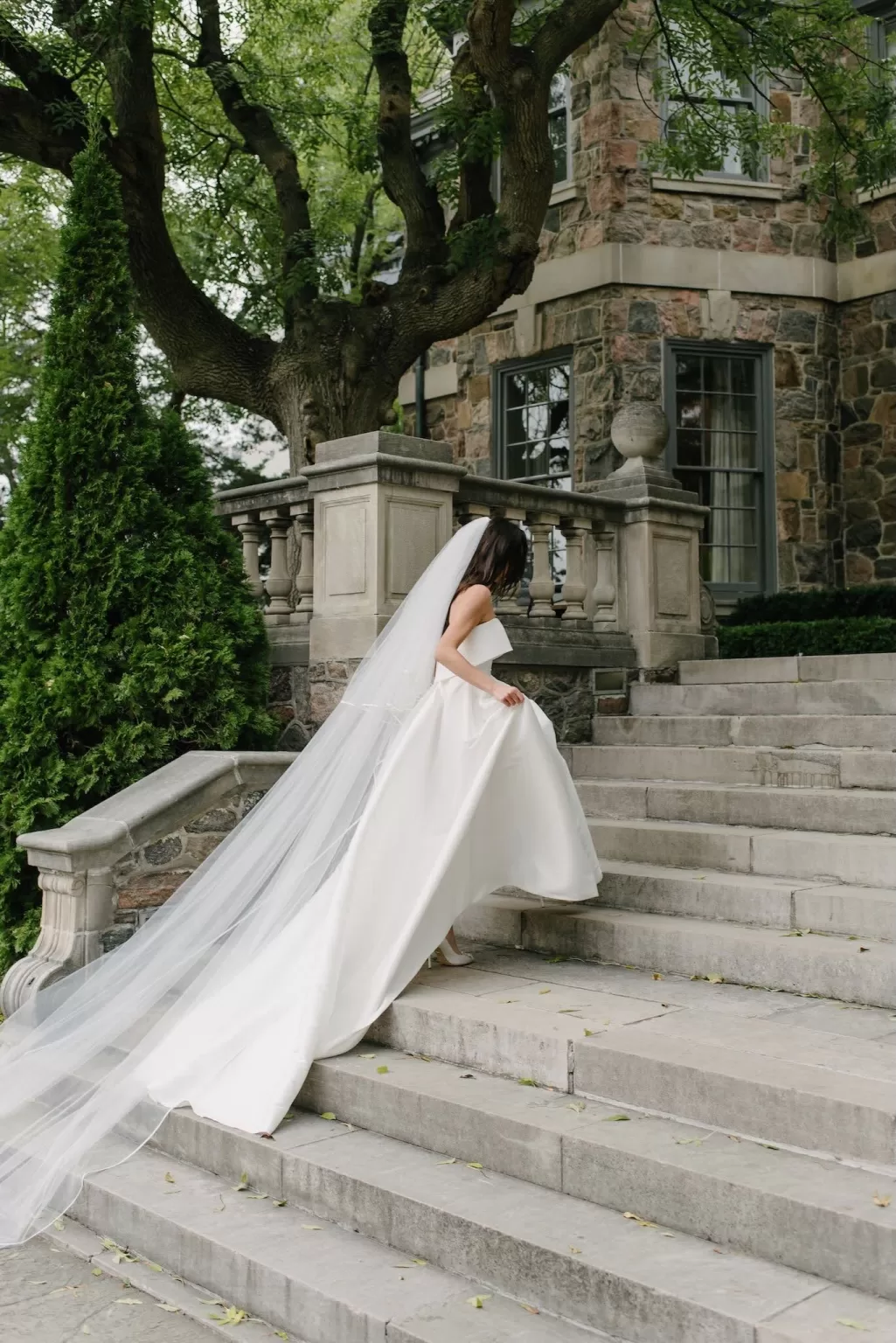
Getting Married in Canada
A destination wedding in Canada offers natural beauty combined with well-developed infrastructure. Within a single country, couples can choose between alpine landscapes, coastal scenery, urban sophistication and countryside vineyards.
Couples are increasingly drawn to Canada for:
-
Banff and Lake Louise mountain weddings
-
Vancouver and Whistler resort celebrations
-
Niagara and Okanagan Valley vineyard weddings
-
Québec City and Montréal historic celebrations
-
Prince Edward Island and Nova Scotia coastal ceremonies
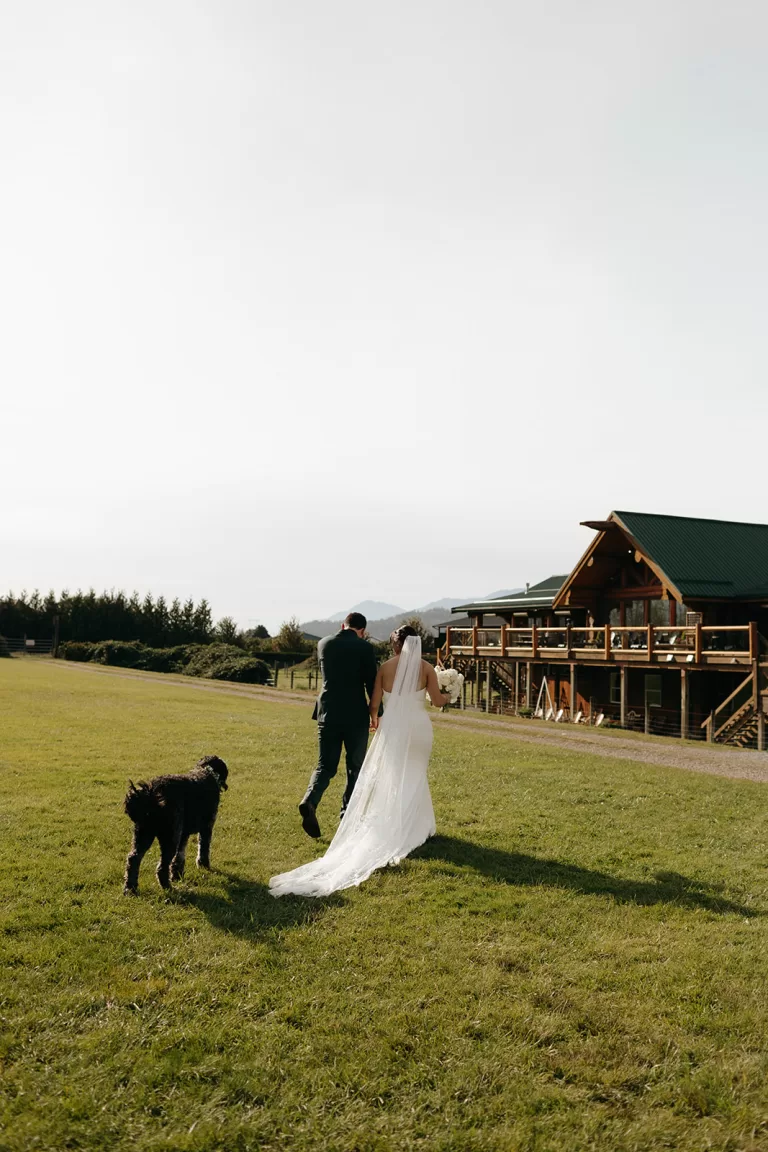
Canada is particularly appealing for couples seeking outdoor ceremony flexibility paired with professional event coordination. Wedding weekends often include welcome dinners overlooking lakes, mountain excursions, wine tastings or coastal boat outings.
The atmosphere is polished yet relaxed, with strong emphasis on hospitality and guest experience.
Types of Wedding Venues in Canada: Mountain Lodges, Vineyards & Historic Hotels
Canada offers a wide range of venue styles suited to different guest counts and seasons.
MOUNTAIN RESORT WEDDINGS
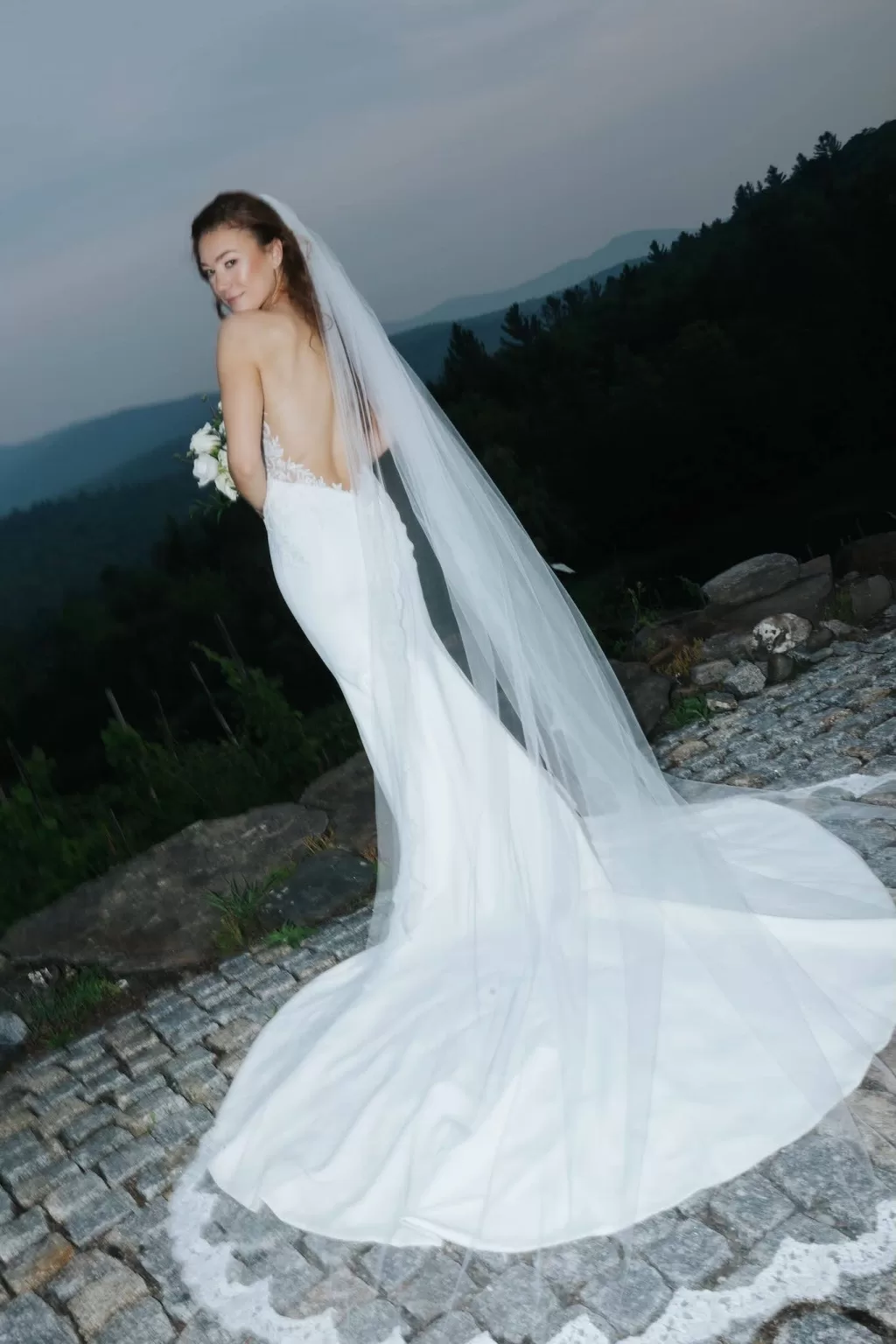
In Alberta and British Columbia, luxury lodges and iconic hotels provide panoramic views of the Rockies, particularly around Banff, Lake Louise and Whistler.
VINEYARD & WINERY WEDDINGS
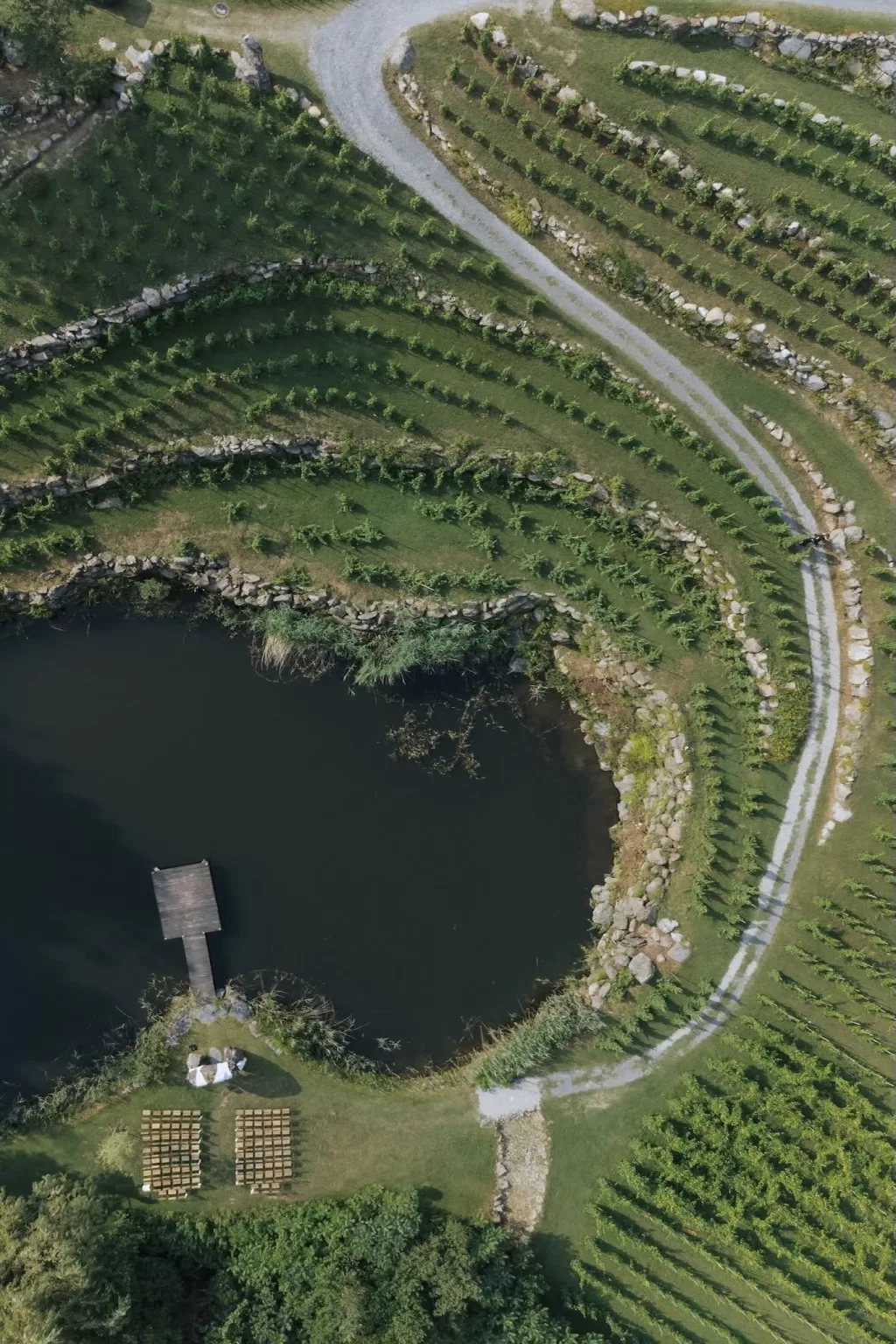
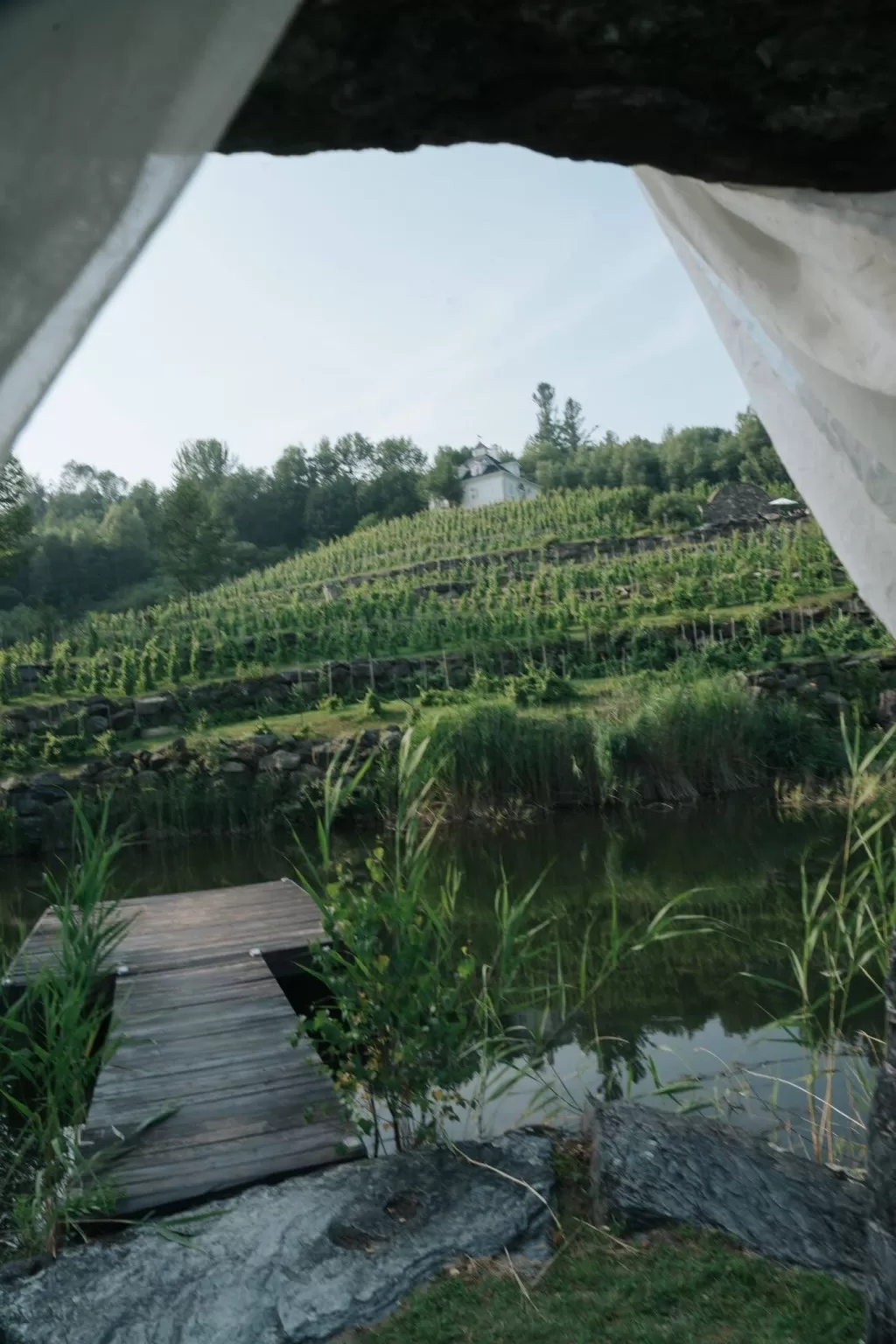
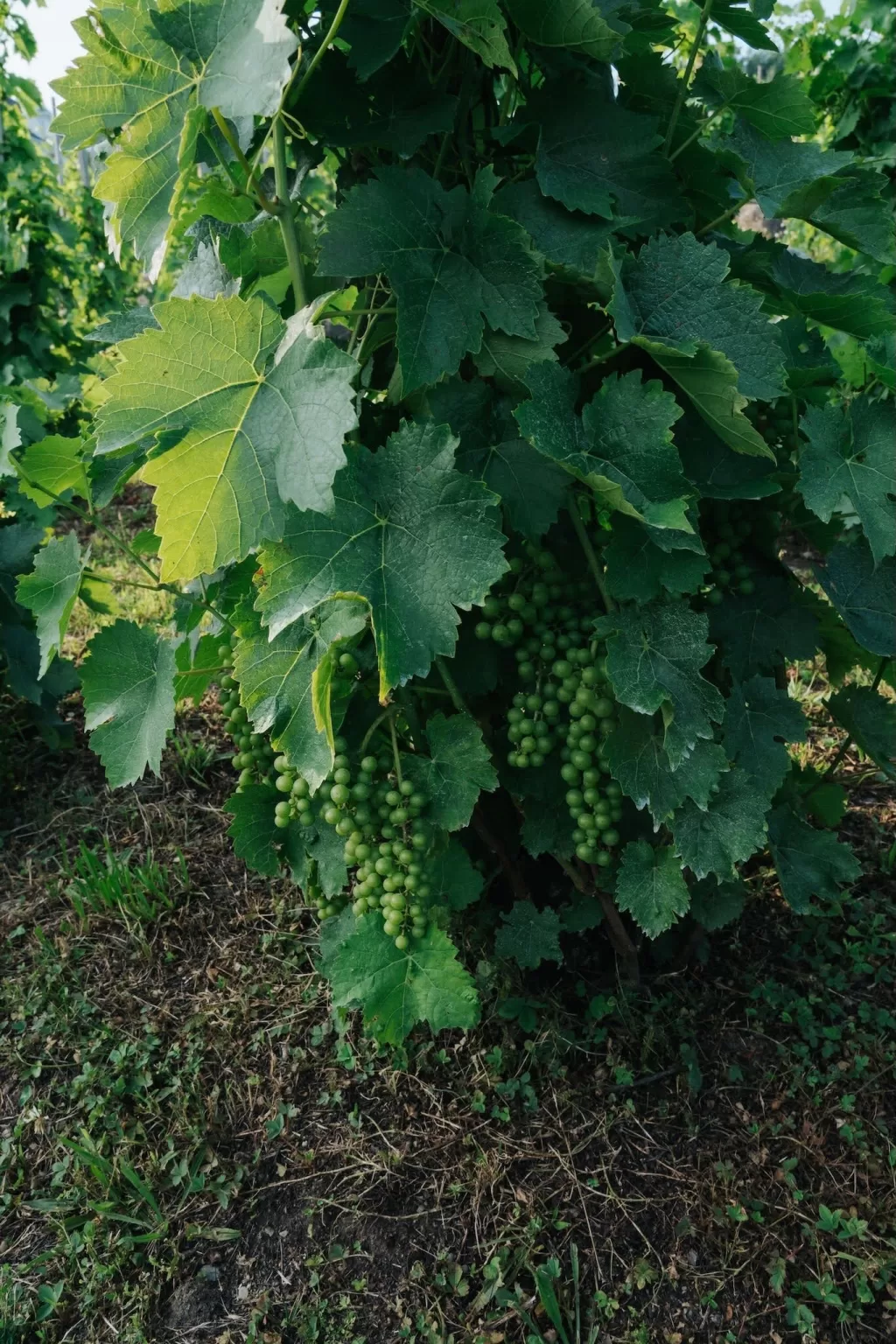
Regions such as Niagara-on-the-Lake and the Okanagan Valley offer rolling vineyards and elegant countryside celebrations.
HISTORIC CITY VENUES
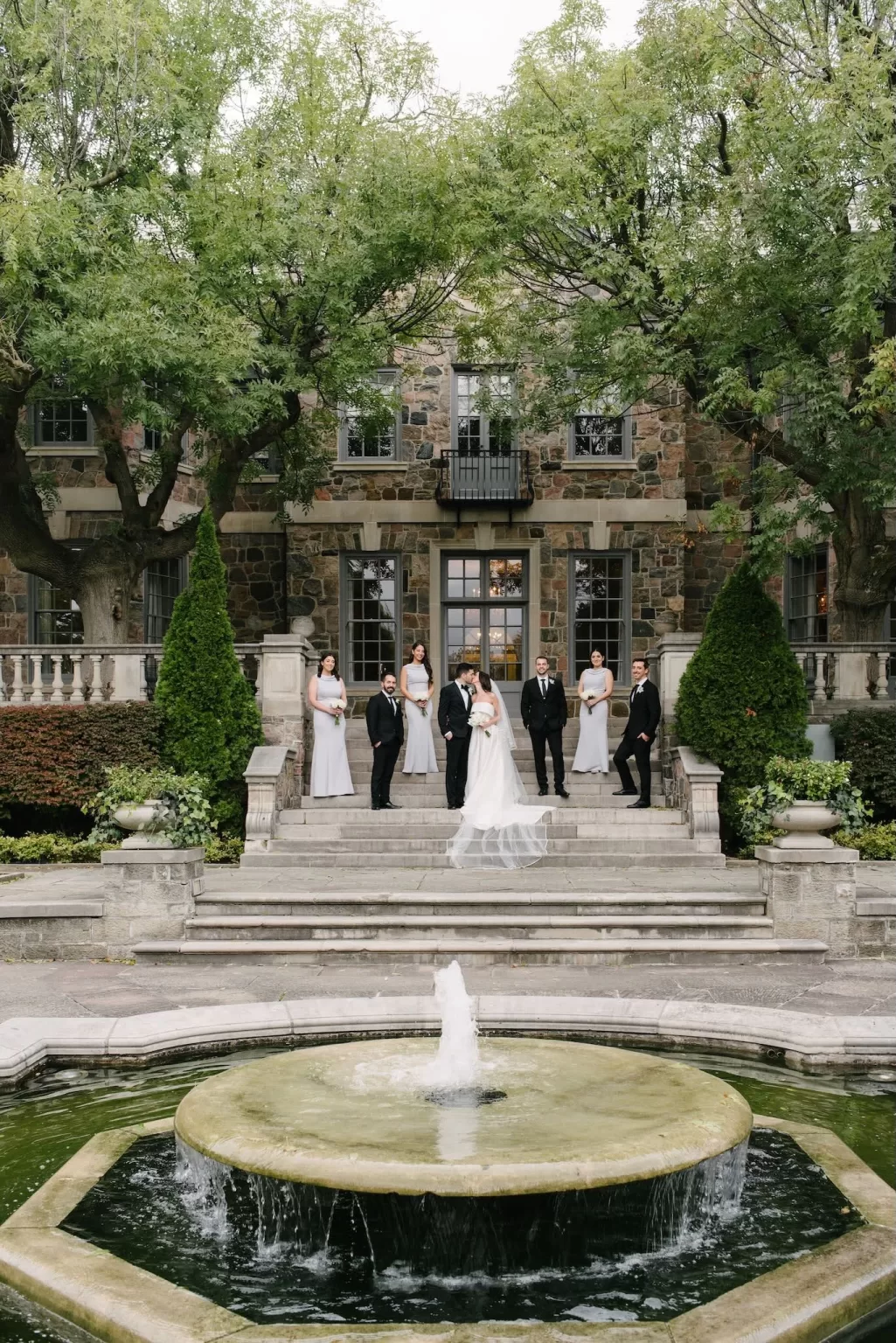
Montréal and Québec City feature European-inspired architecture, cobblestone streets and grand hotels ideal for refined city weddings.
COASTAL & MARITIME WEDDINGS
Nova Scotia and Prince Edward Island provide ocean views, rugged cliffs and charming seaside venues.
WINTER & SNOW WEDDINGS
Snow-covered mountain resorts create dramatic winter celebrations complete with fireplaces, candlelight and alpine backdrops.
Wedding Traditions & Cuisine in Canada
Canadian weddings are diverse and often reflect the country’s multicultural identity. Civil and religious ceremonies are both common, with many couples incorporating personalised elements into their celebrations.
Cuisine varies by region — Pacific seafood on the west coast, French-inspired dishes in Québec, farm-to-table menus in Ontario and Alberta, and Atlantic lobster in the Maritimes. Canadian wines and craft cocktails frequently feature during receptions.
The overall tone tends to be elegant but approachable, with formal dinners followed by dancing late into the evening.
Best Time of Year for a Wedding in Canada
Summer (June – September): The most popular wedding season, particularly for mountain and lakeside celebrations. Longer daylight hours and warmer temperatures make outdoor ceremonies ideal.
May & October: Shoulder months offering beautiful foliage and slightly cooler weather, particularly appealing in vineyard and eastern regions.
Winter (December – March): Ideal for couples dreaming of a snowy mountain wedding. Alpine resorts provide dramatic winter backdrops, though temperatures can be well below freezing in some provinces.
Climate varies significantly across Canada, so location is key when planning your wedding date.
How Much Does a Destination Wedding in Canada cost?
Costs vary by province, guest count and venue exclusivity.
As a general guide:
-
Intimate weddings (30–50 guests): from CAD $20,000–$40,000
-
Mid-size resort or vineyard weddings (60–120 guests): CAD $40,000–$90,000
-
Luxury mountain or exclusive venue buy-outs: CAD $100,000+
Key cost factors include:
-
Venue rental and catering
-
Guest accommodation
-
Floral and production design
-
Planner and coordination services
-
Entertainment and photography
Premium mountain destinations such as Banff and Lake Louise typically sit at the higher end of the Canadian market.
How to Travel to Canada
Canada is well connected internationally via Toronto, Vancouver, Montréal and Calgary. Many mountain weddings are accessed via Calgary International Airport, while vineyard and city weddings are typically near major hubs.
Domestic flights connect provinces efficiently, and rail travel is available in certain regions. Private transfers are common for remote mountain and coastal venues.
Accommodation options range from luxury five-star hotels and mountain lodges to boutique inns and countryside estates, providing flexibility for varying guest budgets.
Legal Requirements for Getting Married in Canada (for Foreigners)
Marriage laws vary by province, but generally:
-
Couples must obtain a marriage licence in the province where the ceremony will take place
-
Valid passports are required for identification
-
Residency is not typically required
-
Witness requirements vary by province
Some provinces require documentation confirming marital status. Waiting periods may apply depending on location.
Because regulations differ across provinces, it is essential to confirm requirements with the local provincial authority before planning.