
Wedding in Jordan: Venues, Vendors, & Planning Guide
Jordan packs rose-red Petra, the silent red sands of Wadi Rum, the salt-white shores of the Dead Sea and the Red Sea coast of Aqaba into a country you can drive across in a day. It suits couples who want a wedding that feels like an expedition: a desert dinner under more stars than your guests have ever seen, a ceremony at sunset over the lowest point on earth, and a welcome that Jordanians treat as a point of honour. Most international couples marry legally at home and hold a symbolic celebration here, which keeps the planning simple.
Peak Season
Shoulder Season
Major Airports
Popular Vibes
Getting Married in Jordan
A destination wedding in Jordan is about landscape first. Within four hours of Amman you can move from a Roman city to a Nabataean one, from desert canyons to a resort pool floating above the Dead Sea. Distances are short, roads are good and the country is used to welcoming visitors, so a three or four-day wedding that moves between two places is easy to plan. Guests rarely come just for the day: most add Petra, a night in Wadi Rum or a float in the Dead Sea, which makes Jordan a wedding and a holiday in one.
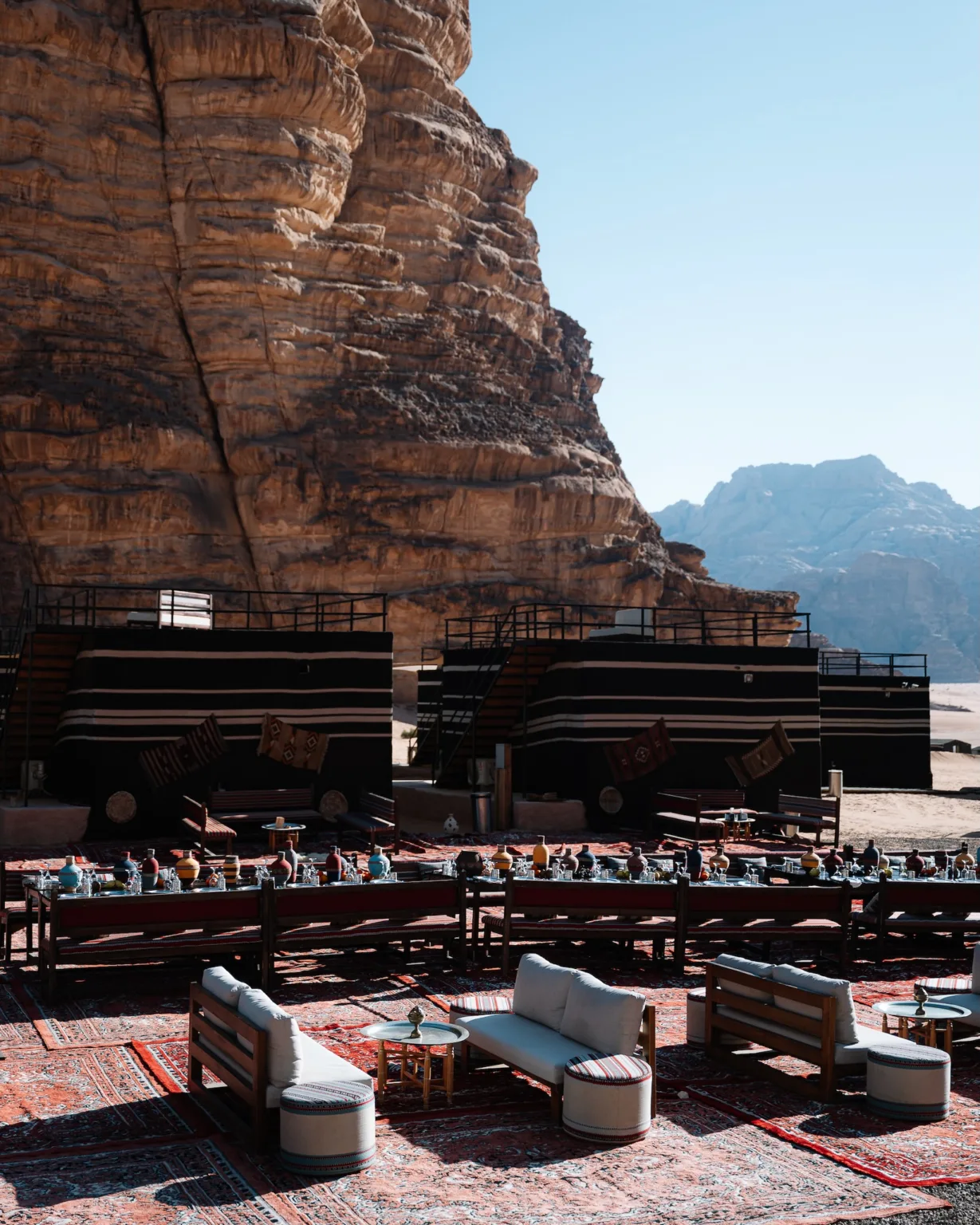
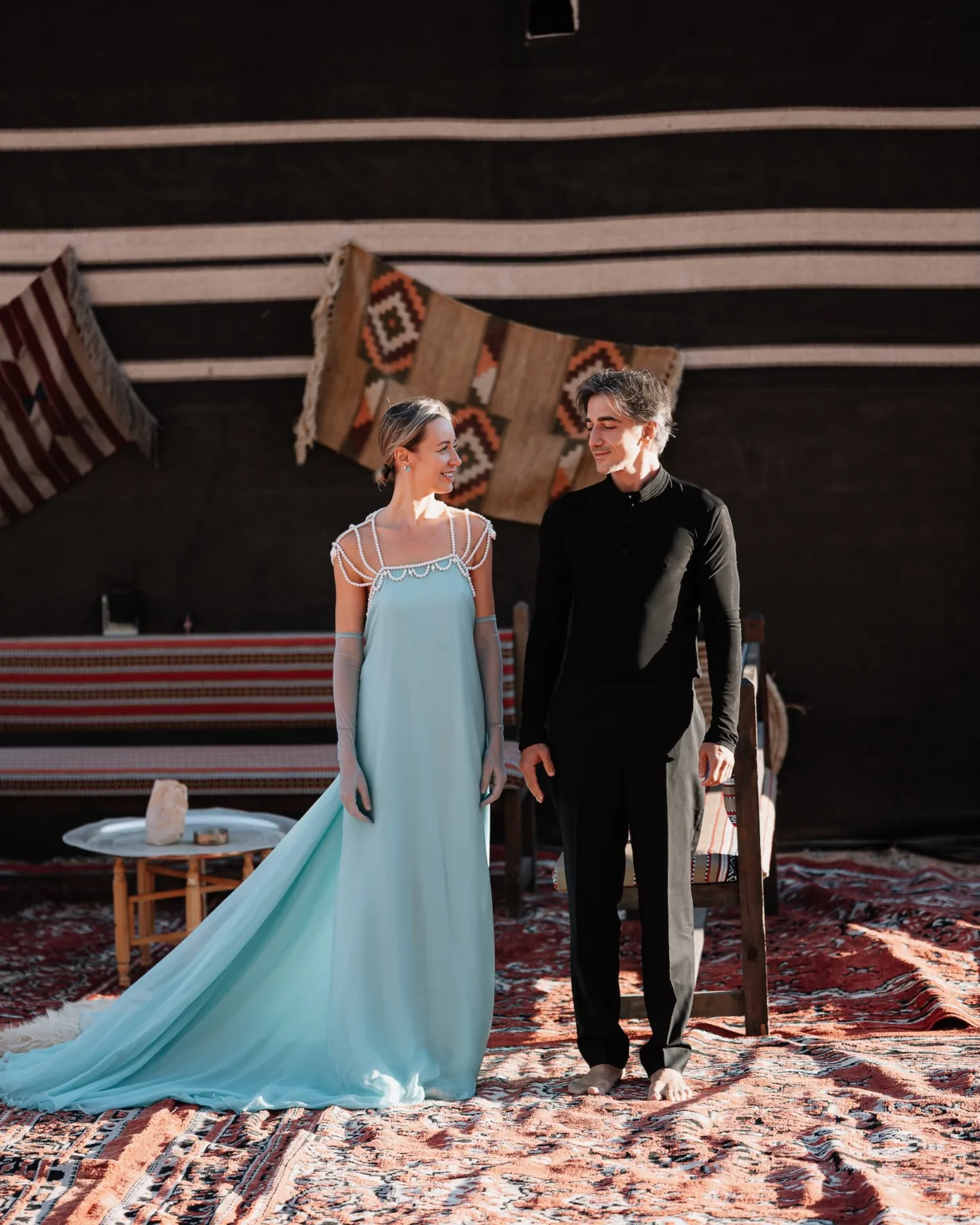
Types of Wedding Venues in Jordan: Desert Camps, Dead Sea Resorts & Ancient Cities
Jordan’s venues fall into a few clear styles, each with its own pace and guest count.
Wadi Rum Desert Camps
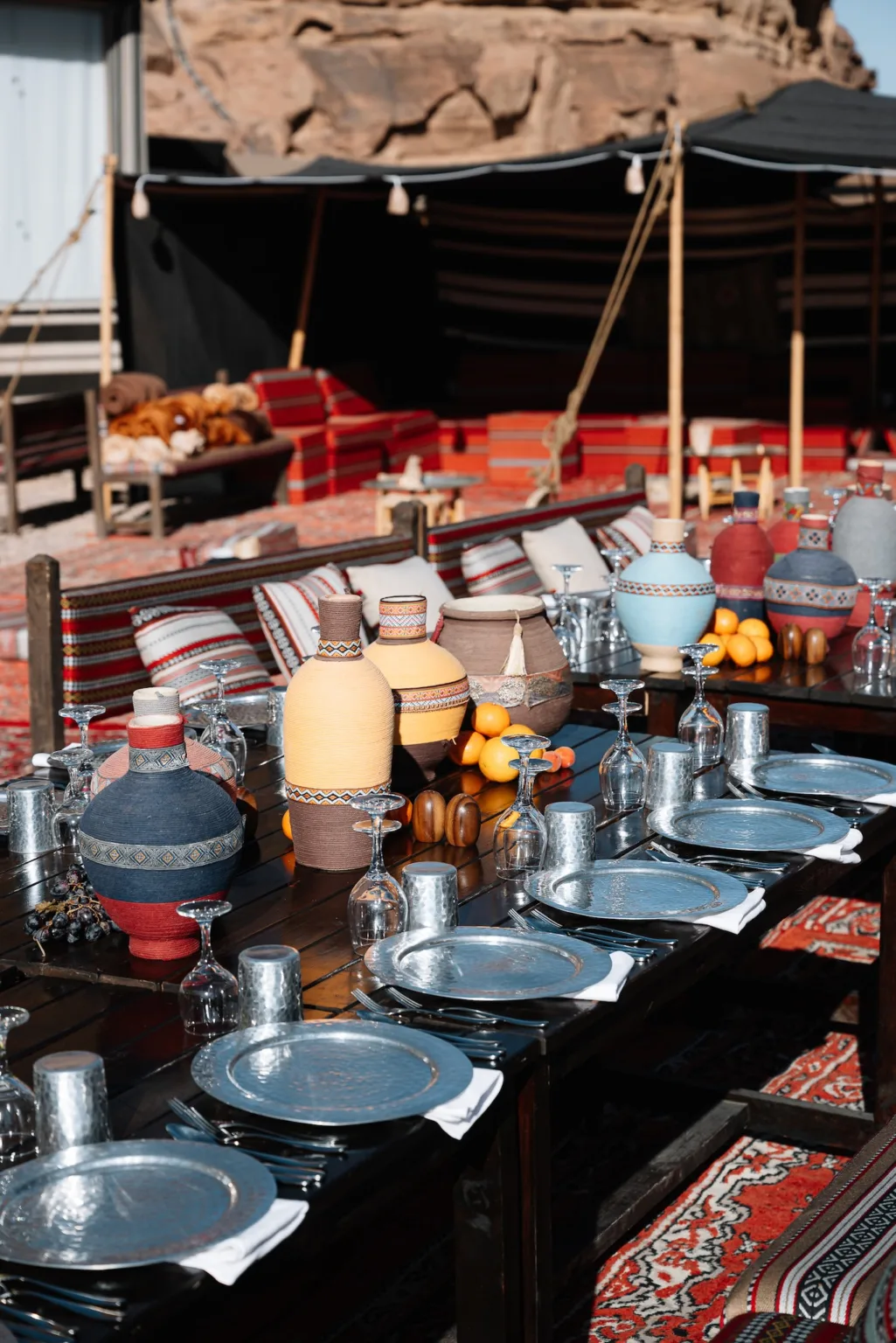
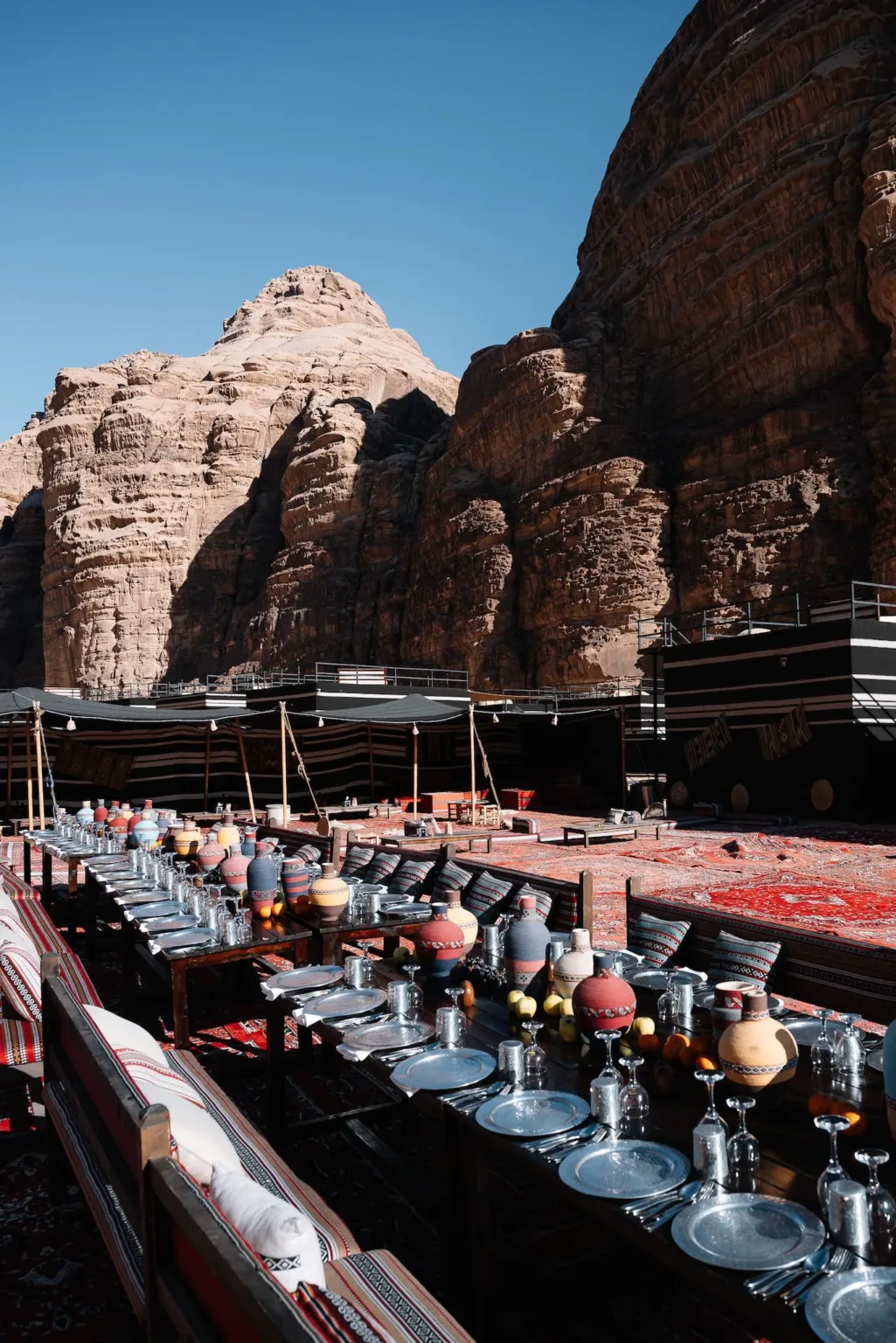
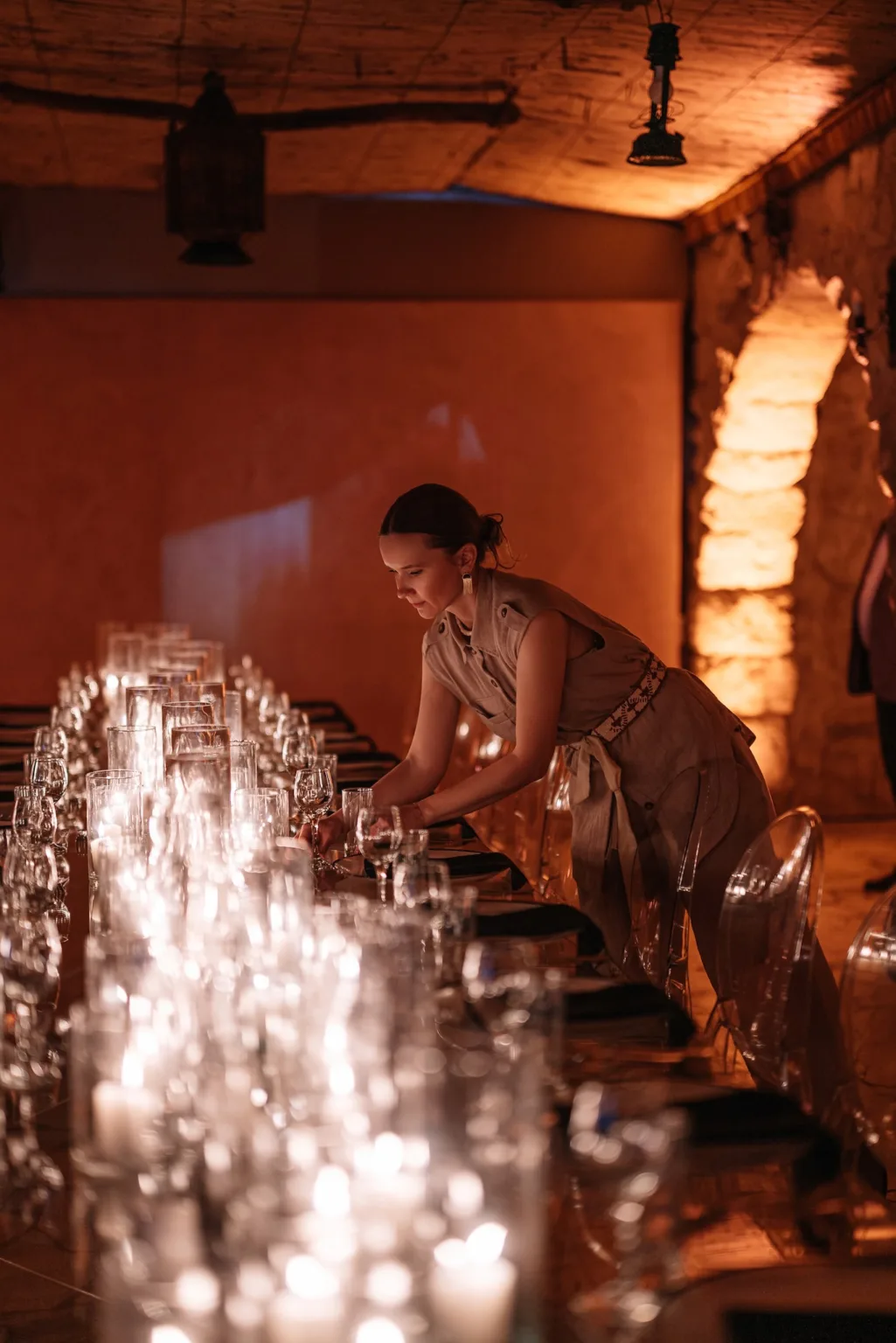
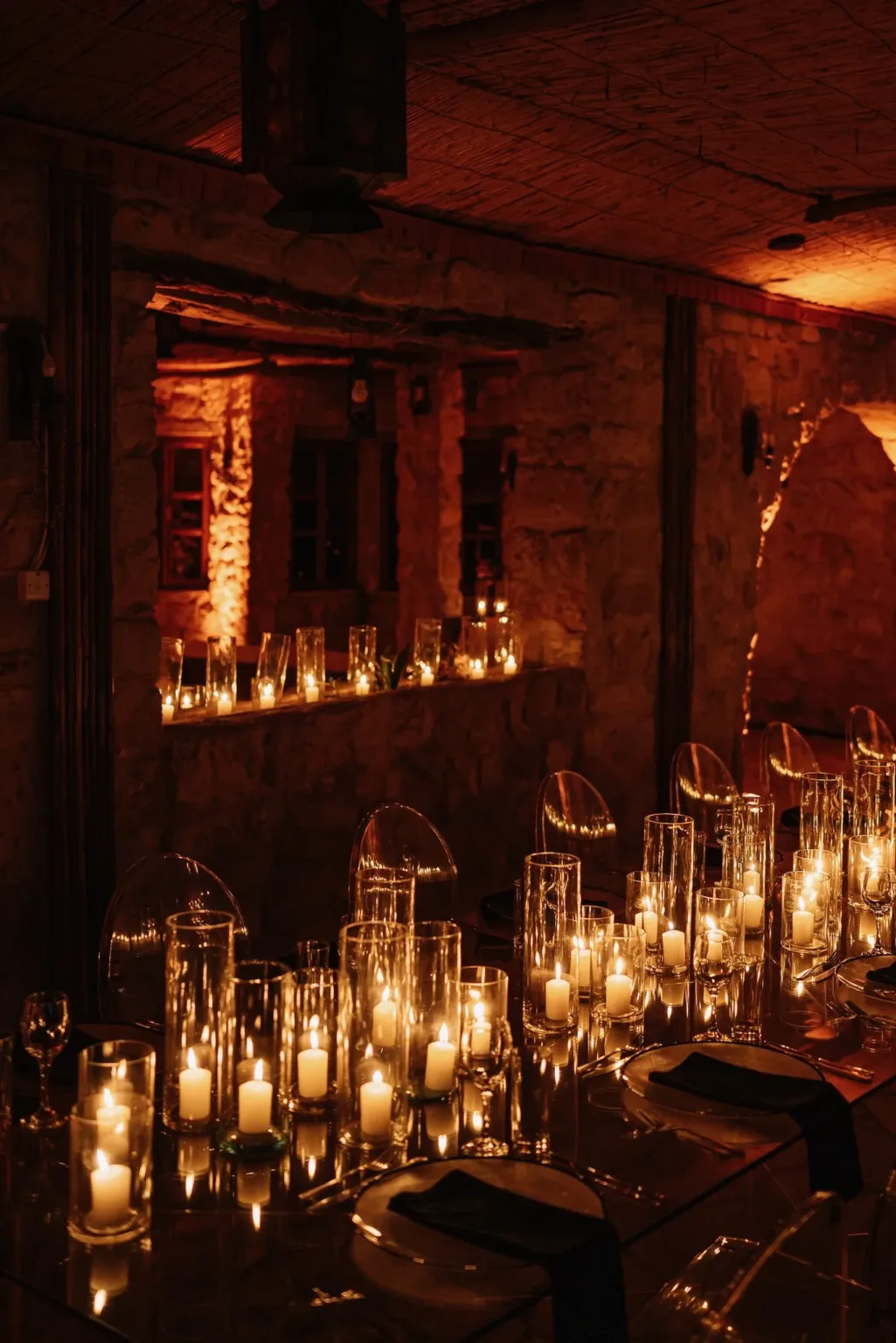
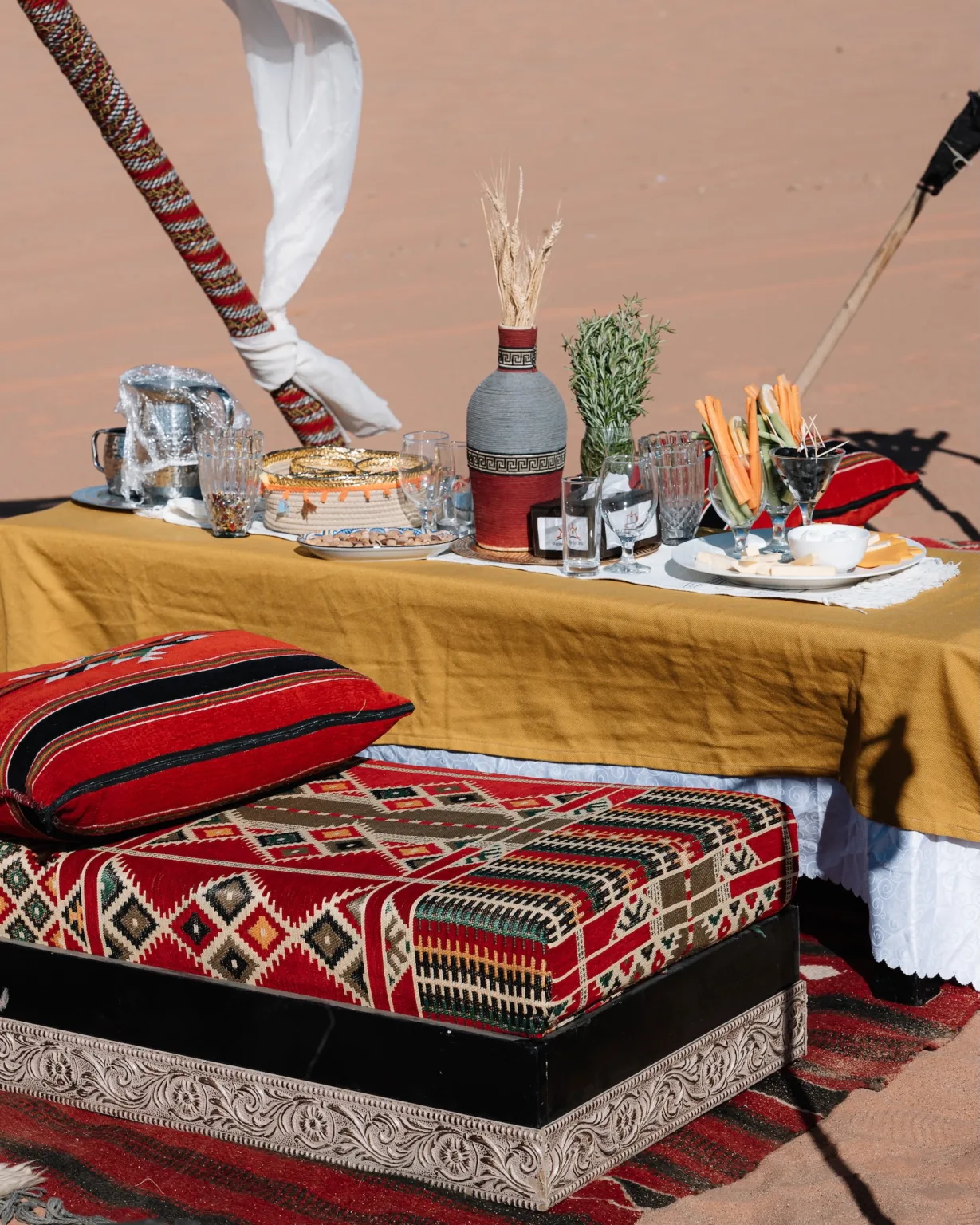
Luxury camps, some with glass-fronted dome tents, sit among the sandstone cliffs of Wadi Rum. Expect a sunset ceremony on the dunes, a long table on the sand and a Bedouin zarb dinner cooked underground. Best for 20 to 80 guests.
Dead Sea Resorts
The large resorts on the Dead Sea’s eastern shore offer terraces facing the hills of the West Bank, spa days for guests and reliable logistics. They suit bigger weddings of 60 to 200 guests and are under an hour from Amman airport.
Petra and the Ancient Sites
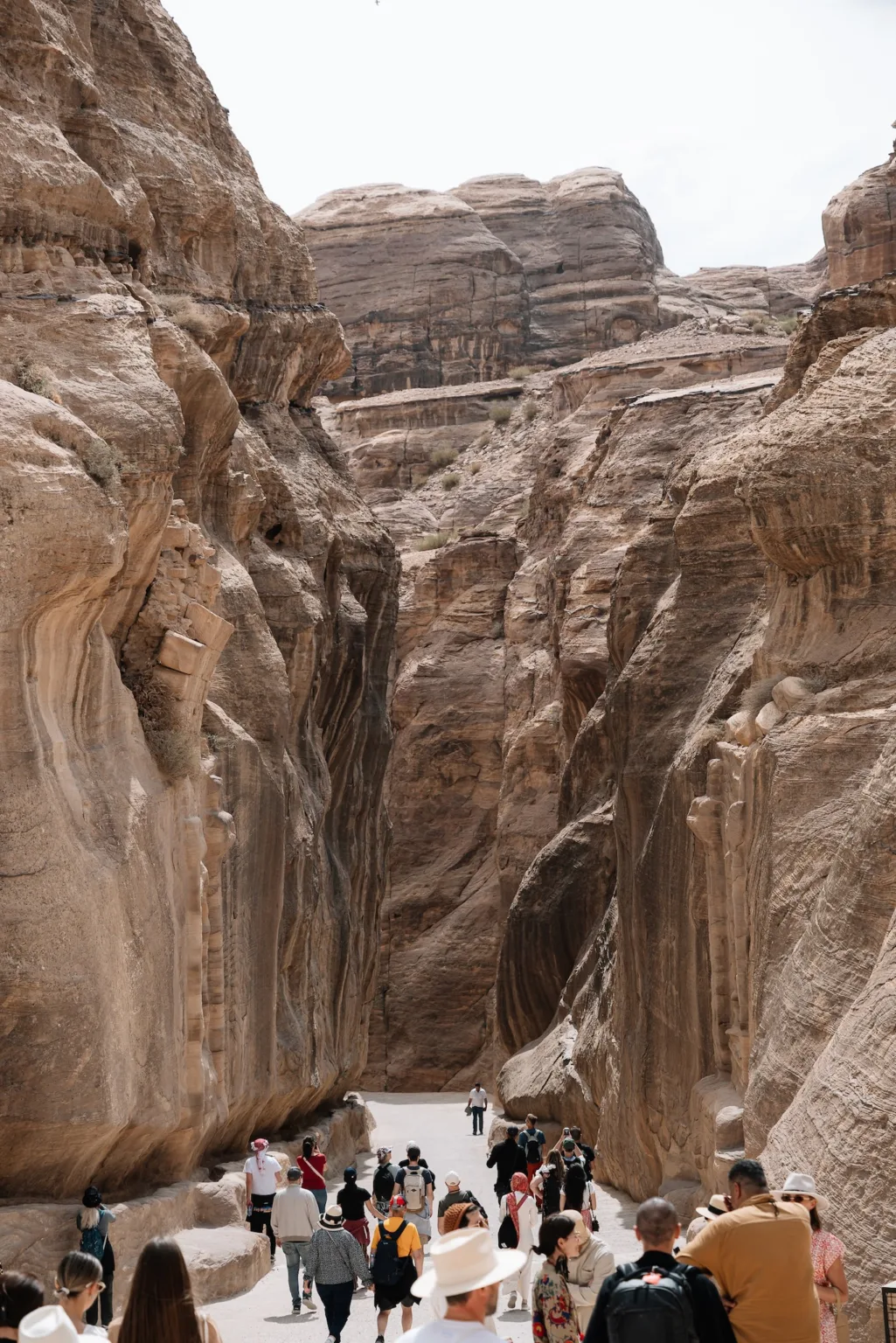
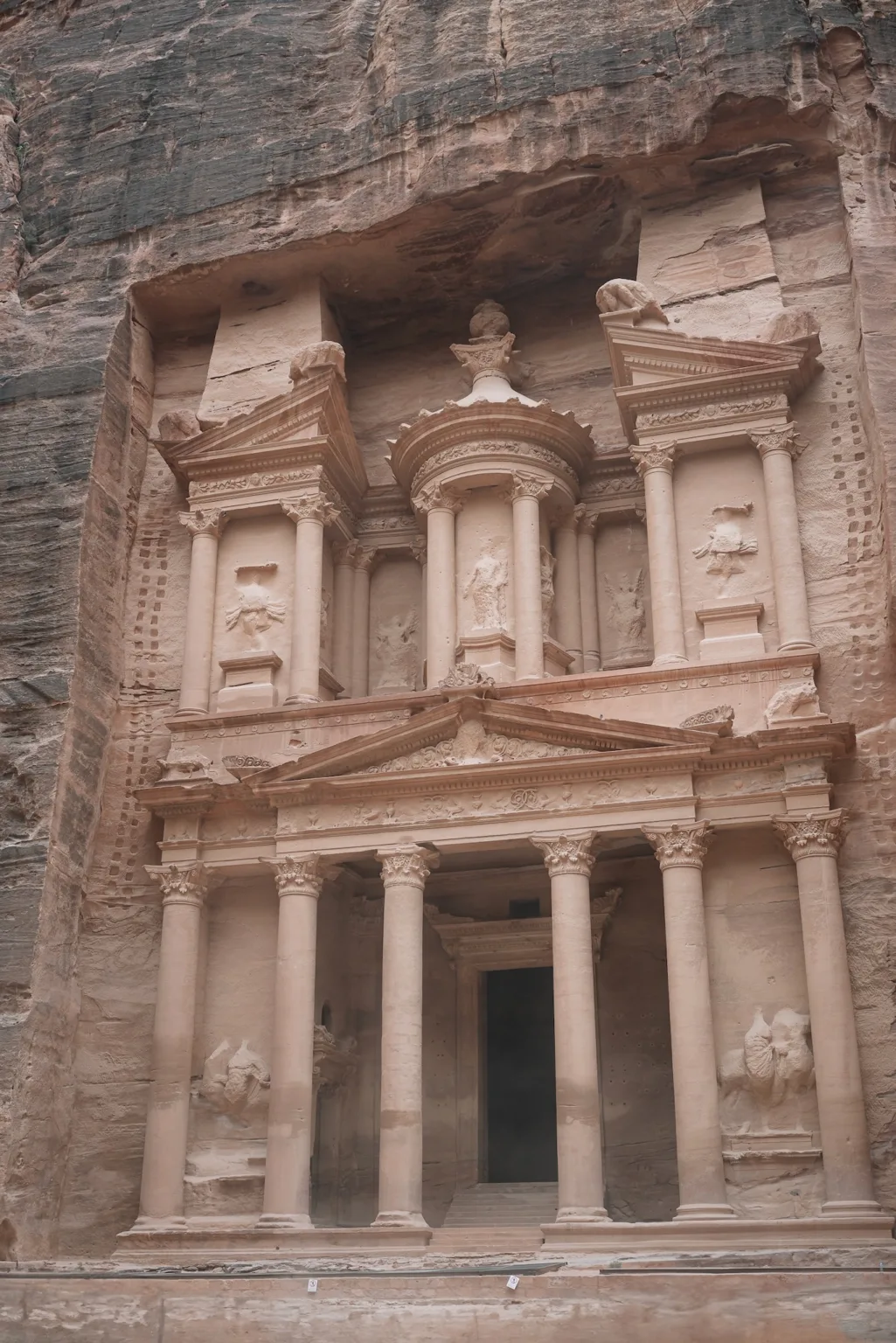
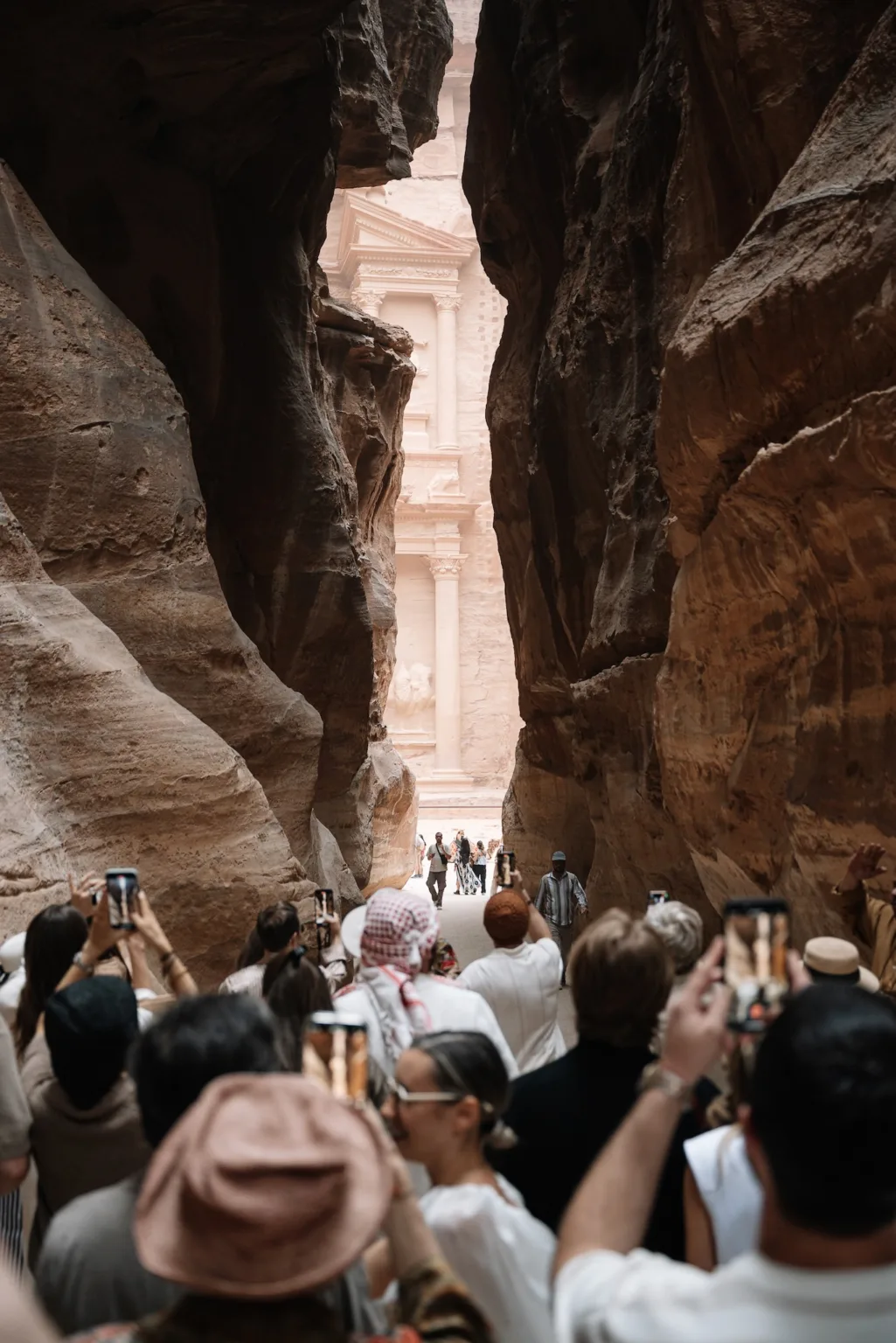
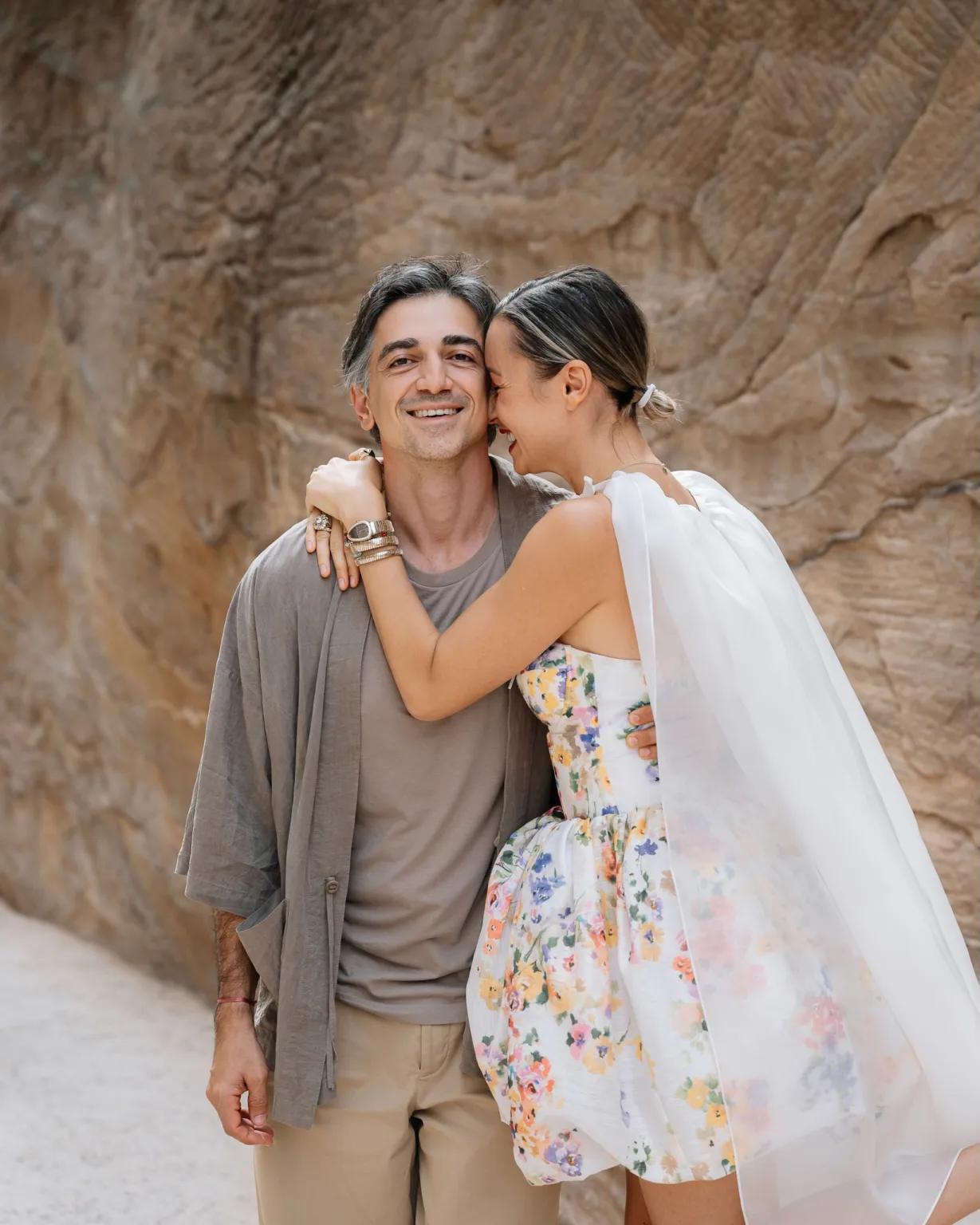
The hotels and terraces of Wadi Musa, the town beside Petra, host dinners and celebrations with views over the sandstone hills. Ceremonies and photo sessions inside the Petra Archaeological Park need permits from the Petra authority, so most couples marry nearby and visit the Treasury for portraits.
Amman Heritage Houses and Rooftops
Restored stone villas on Jabal Amman and Jabal Weibdeh, galleries and rooftop restaurants make for relaxed city weddings with views over the white hills of the capital.
Aqaba and the Red Sea
Beach resorts around Aqaba and Tala Bay offer warm water, coral reefs and the best winter weather in the country. A good choice for a wedding between November and March.
Wedding Traditions & Cuisine in Jordan
Jordanian hospitality runs on generosity: tables are full, coffee keeps coming and nobody goes home hungry. Many couples borrow local traditions for their celebration. The zaffeh is a lively procession that leads the couple in with drummers, bagpipes and dancers, and it makes a memorable entrance even at a small wedding. Later, guests link arms for the dabke, a line dance that pulls everyone onto the floor.
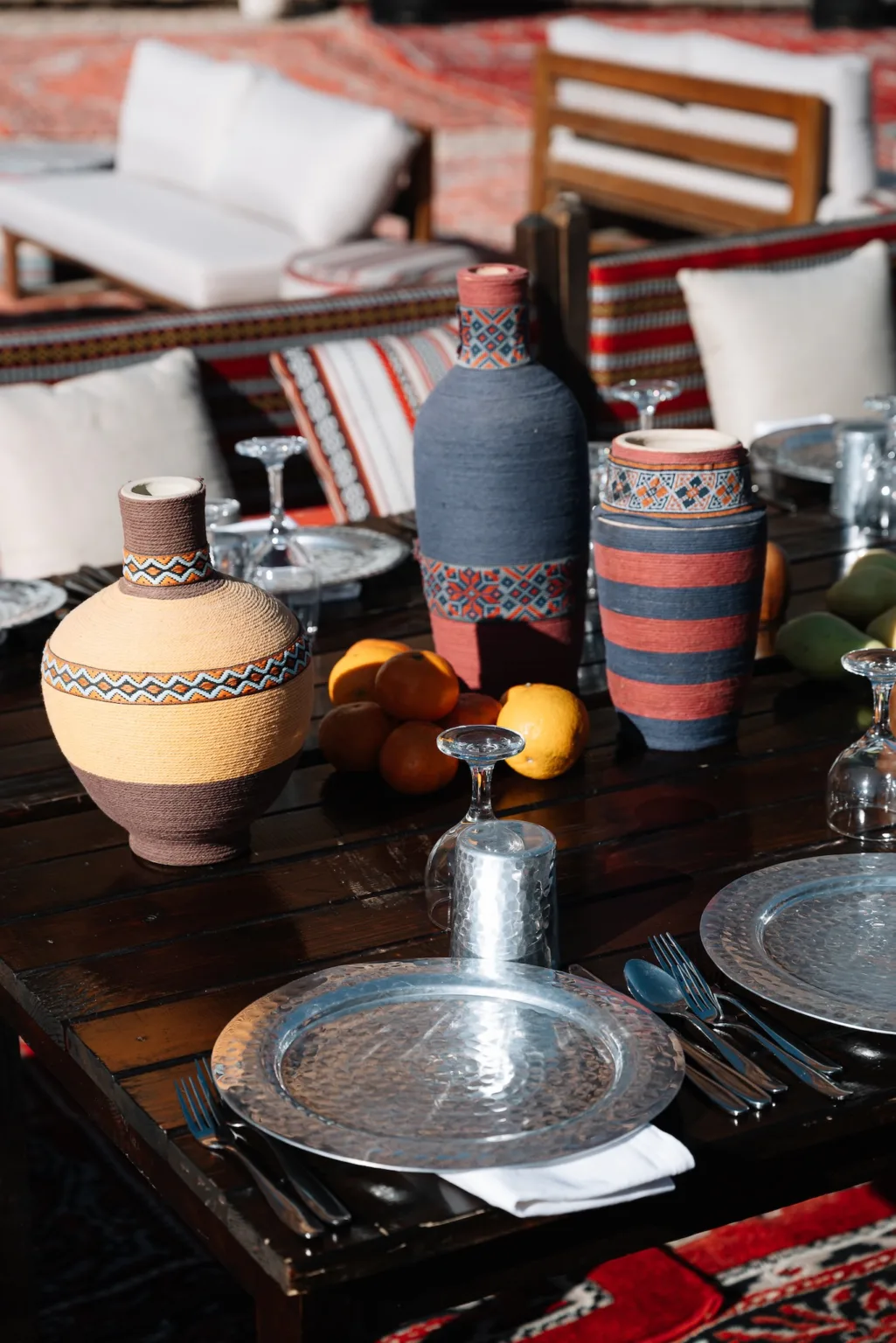
Food is a highlight. Mansaf, the national dish of lamb cooked in fermented yoghurt and served over rice, is the classic celebration meal. In Wadi Rum, Bedouin cooks bury lamb, chicken and vegetables in a sand oven for zarb, lifting it out in front of guests. Dinners usually open with a spread of mezze: hummus, mutabbal, tabbouleh, fattoush and warm flatbread. For dessert, warm knafeh with soft cheese and syrup is a crowd favourite.
Arabic coffee scented with cardamom is served in small cups as a sign of welcome. Jordan is a Muslim-majority country, but alcohol is widely available in hotels, resorts and licensed restaurants, and local wineries near Madaba produce reds and whites worth putting on the table. In desert camps, check the alcohol policy with the venue before you plan the bar.
Best Time of Year for a Wedding in Jordan
Spring (March to May) and autumn (September to November) are the best seasons across the country, with warm days of 20°C to 30°C and cool evenings. Spring brings wildflowers to the north and green hills around Amman.
Summer (June to August) is hot: the Dead Sea and Aqaba reach 38°C to 40°C, and Wadi Rum is only comfortable after sunset. Evening weddings still work, but midday events are hard on guests. Winter (December to February) is mild in Aqaba at around 20°C, but Amman and Petra can be cold and wet, and nights in the desert drop close to freezing. Check the dates of Ramadan when choosing a date, as some venues and restaurants change their hours.
How Much Does a Destination Wedding in Jordan cost?
Costs depend on how many places you include, guest numbers and how much of the wedding takes place in the desert, where everything has to be brought in. As a general guide:
- Intimate desert camp weddings (20-50 guests): from €15,000-€30,000
- Mid-size Dead Sea or Aqaba resort weddings (60-120 guests): €35,000-€70,000
- Multi-day weddings combining Petra, Wadi Rum and the Dead Sea: €80,000+
Guest travel is often the biggest hidden cost, so it helps to agree a hotel rate and a transfer plan early.
How to Travel to Jordan
Jordan is compact and easy for guests to get around:
- By air: Queen Alia International Airport (AMM) near Amman has direct flights from across Europe, the Gulf and beyond. King Hussein International Airport (AQJ) in Aqaba is closer to Wadi Rum and has seasonal flights from Europe.
- By road: Amman to the Dead Sea is about 1 hour, Amman to Petra about 3 hours on the Desert Highway, Petra to Wadi Rum about 1.5 hours and Wadi Rum to Aqaba under 1 hour.
- Getting around: Most couples book private coaches and drivers for guests. Self-drive is possible, but taxis and transfers are cheap and save guests from navigating.
- Visas: Many nationalities can get a visa on arrival. The Jordan Pass covers the visa fee for guests staying at least three nights and includes entry to Petra and Wadi Rum, which makes it worth recommending to every guest.
Legal Requirements for Getting Married in Jordan (for Foreigners)
Jordan has no civil marriage. Marriages are performed by religious courts and churches, so legally marrying here as a foreign couple is possible but involves more paperwork than most places.
- Symbolic ceremonies: Most international couples marry legally at home, then hold a symbolic ceremony in Jordan. This gives you a free choice of celebrant, wording and location.
- Christian couples: A legally valid church wedding is possible through a recognised church, which registers the marriage. Expect to provide passports, full birth certificates, baptism certificates and a certificate of no impediment, translated and legalised.
- Muslim couples: Marriages are registered through the Sharia courts with passports, witnesses and proof of being free to marry.
- Check at home: Ask your own embassy how a Jordanian marriage is recognised in your country before you choose this route.
A local planner can advise on permits for ceremonies at heritage sites such as Petra and on the latest paperwork rules.
Plan your dream destination wedding in Jordan
Haven’t decided where to get married yet? Browse all wedding destinations worldwide.